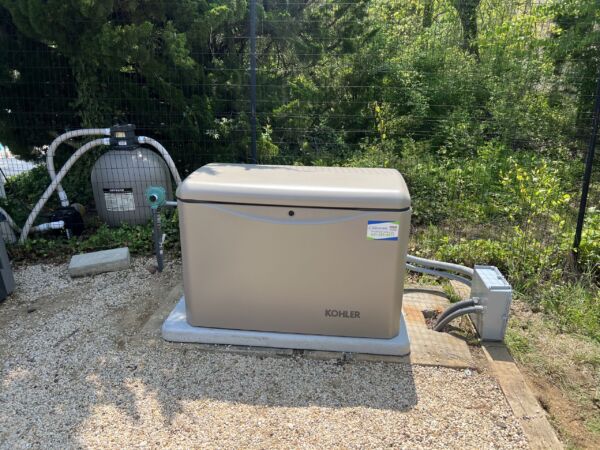
Power outages can disrupt daily routines and create safety concerns for homeowners. Having a properly maintained home backup generator or backup residential generator helps provide electricity for essential systems during unexpected interruptions. Regular checks and seasonal care keep the system ready and functioning reliably throughout the year.
Long Island Power Systems, based in Southampton, New York, offers professional backup generator service on Long Island. Our team provides inspections, maintenance, and emergency support for backup power generators, helping homeowners maintain readiness and reduce the impact of outages. Explore our dedicated generator maintenance programs to schedule seasonal service for your system. This guide offers practical tips for keeping your generator in good condition year-round.

Why Consistent Generator Care Matters
Maintaining your generator throughout the year helps you rely on it when power goes out. Regular attention keeps your system in good condition and ready to supply electricity to essential parts of your home.
Risks of Neglecting Year-Round Maintenance
Neglecting regular checks can reduce the reliability of home backup generators. Without routine inspections, small issues may develop into larger problems that affect performance. Parts may wear down, electrical connections can loosen, and the engine may not run as smoothly, leaving your generator less ready when an outage occurs.
Lack of ongoing care increases the likelihood of component failure. Engines, batteries, and fuel systems can fail unexpectedly if minor maintenance is skipped. Even small issues, like a weak battery or fuel clog, can prevent the generator from operating when needed. Performing regular service helps identify early signs of wear and keeps the system functioning longer.
How Seasonal Weather Impacts Generators
Temperature changes can place stress on the engine and battery, affecting performance. High summer heat can strain engine components, while cold winter conditions can make starting more difficult. Monitoring your backup generator during seasonal changes helps protect critical parts and maintain reliable operation.
Storms and high humidity can gradually wear down backup power generators. Rain, wind, and moisture can affect both electrical and mechanical components over time. Checking your generator after storms or during humid periods allows you to address small problems before they compromise the system’s ability to operate when you need it most.
Monthly Checks Every Homeowner Can Perform
Performing regular checks each month helps keep your generator ready and reduces the chance of unexpected failures. By taking simple steps, you can identify minor issues before they become costly problems and maintain a reliable backup system for your home.
Visual Inspection
- Check for leaks, corrosion, or blockages on your backup generators. Regular inspection helps you catch small issues before they affect performance.
- Examine cables, hoses, and moving parts for early signs of wear or damage. Addressing problems promptly reduces the risk of failure.
- Keep the area around your generator clear. Remove leaves, debris, or other objects that could obstruct airflow.
- Maintain proper clearance for safety and efficiency. Clear space allows the generator to operate effectively and provides safe access for maintenance or emergency use.
Fluid and Fuel Monitoring
Checking oil, coolant, and fuel levels helps maintain steady operation. Low fluids can strain the engine, reduce efficiency, and increase wear on key components. Reviewing these levels each month allows you to top up fluids before they cause problems.
Monitoring fuel quality prevents issues with generator performance. Over time, fuel can degrade, become contaminated, or lose effectiveness. By observing the condition of your fuel, you reduce the risk of clogs or failed starts during an outage.
Battery and Electrical Checks
Confirming battery charge and connections keeps your system ready to start when needed. Weak batteries or loose connections are common reasons why generators fail during power interruptions. Checking and maintaining the battery helps the generator provide reliable power.
Testing the transfer switch as part of your backup generator service helps maintain seamless operation. This test should be performed by a qualified professional. The transfer switch directs electricity from the generator to your home circuits. Verifying that it functions properly each month makes sure that your generator can supply power quickly and safely during an outage.
Seasonal Maintenance Recommendations
Adjusting your generator care for each season helps it respond reliably when needed. By aligning your maintenance tasks with seasonal changes, you can reduce wear, improve performance, and extend the life of your system.
Spring: Recovery After Winter
Removing winter debris from backup generators helps prevent blockages and corrosion. After cold months, leaves, dirt, and moisture can accumulate around your generator. Clearing these away allows air to circulate properly and reduces the risk of rust or damage to mechanical parts.
Inspecting components for winter-related wear keeps your system in good condition. Cold temperatures can stress engines, batteries, and connections. A careful check after winter helps address minor issues before they affect performance during the spring months.
Summer: Preparing for High Usage
Providing proper ventilation for your generator prevents overheating during hot weather. Warm temperatures can place extra strain on engines and electrical components. Keeping the area around the unit clear and ensuring airflow helps maintain stable operation during high-demand periods.
Monitoring heat effects protects backup generators from stress and potential failures. Engines and batteries can be affected by prolonged exposure to high temperatures. Observing your generator’s operation during hot months helps you spot early signs of heat-related wear and take action before it becomes a problem.
Fall: Readiness for Storm Season
Running operational tests on backup generators confirms that they are ready for outages. Before storm season, checking how your generator starts and supplies power helps confirm it will perform when you need it. These tests give you confidence that the system can handle temporary interruptions.
Checking fuel availability prevents interruptions during extended outages. Ensuring that your generator has sufficient and fresh fuel allows you to respond quickly if power goes out. Fall is the ideal time to review fuel levels and address any storage or quality concerns.
Winter: Cold-Weather Strategies
Taking steps to prevent freezing in fuel lines keeps your generator operational during cold weather. Low temperatures can thicken fuel and cause blockages. Protecting fuel lines from freezing helps the generator start and run efficiently, even during extended cold spells.
Maintaining battery performance in home backup generators supports reliable starts in winter. Cold weather can reduce battery output, making it harder for the generator to start. Regular checks and maintenance help the system respond quickly when power is lost.
Recognizing Signs That Professional Service Is Needed
Even with regular maintenance, generators can develop issues that require professional attention. Knowing the warning signs allows you to address problems early and maintain a system that performs reliably when power is lost.
Operational Symptoms
A slow startup or irregular performance can indicate issues with backup residential generators. If your generator struggles to start or does not run smoothly, it may be a sign that engine components or the fuel system need attention. Paying attention to how the generator behaves during operation helps you spot problems before they lead to a failure during an outage.
Fluctuating or inconsistent power output can signal underlying mechanical or electrical issues. When the generator delivers uneven electricity to your home, certain circuits may experience interruptions. Identifying these irregularities early allows you to schedule service and prevent more serious damage.
Visual and Audible Warnings
Unusual sounds or odors can be warning signs that something is wrong. Grinding, rattling, or burning smells can indicate worn parts, electrical problems, or fuel issues. Listening to and observing your generator during operation helps you detect problems that may not be immediately visible.
Indicator lights or error messages may require backup generator service on Long Island. Many modern generators provide alerts through their control panels. If warning lights appear or codes are displayed, contacting a professional promptly helps diagnose and correct the issue before it affects performance.
Role of Long Island Power Systems in Generator Readiness
Having professional support from a trusted provider can make a noticeable difference in the reliability of your generator. Long Island Power Systems helps homeowners and businesses maintain their backup systems and respond quickly when issues arise.
Professional Maintenance Services
Regular seasonal inspections and backup generator service on Long Island help maintain consistent performance. Our team at Long Island Power Systems checks key components, reviews operational efficiency, and identifies potential problems before they disrupt your power supply. With this support, you can keep your system operating smoothly throughout the year.
Adjustments and preventive services for backup residential generators extend the life of the equipment. Engine tuning, battery checks, and system diagnostics address minor issues early. This approach reduces the likelihood of unexpected failures and keeps your generator ready when you need it most.
Emergency Support on Long Island
Rapid response during outages helps your home or business experience minimal disruption. Long Island Power System’s technicians are available to quickly address issues, restore power, and get your generator running reliably. Immediate support helps you avoid extended periods without electricity.
Professional troubleshooting and repairs for backup power generators resolve complex problems efficiently. From mechanical faults to electrical malfunctions, our team has the expertise to diagnose and repair issues promptly, ensuring your system functions effectively during critical times.
Guidance for Year-Round Readiness
Advice on fuel management helps keep your generator prepared for unexpected power interruptions. Knowing how to store, rotate, and monitor fuel quality helps keep your system ready to operate when needed.
Scheduling regular service visits maintains reliability over time. Routine maintenance, performed by our experienced technicians, keeps all components in working order and supports consistent operation during both planned and unexpected outages.
Keep Your Home Powered Year-Round
Don’t wait for the next outage to find out if your generator is ready. Long Island Power Systems is here to help you maintain reliable backup power for your home. Contact our team today at (631) 283-4271 to schedule service, ask questions, or request a consultation.