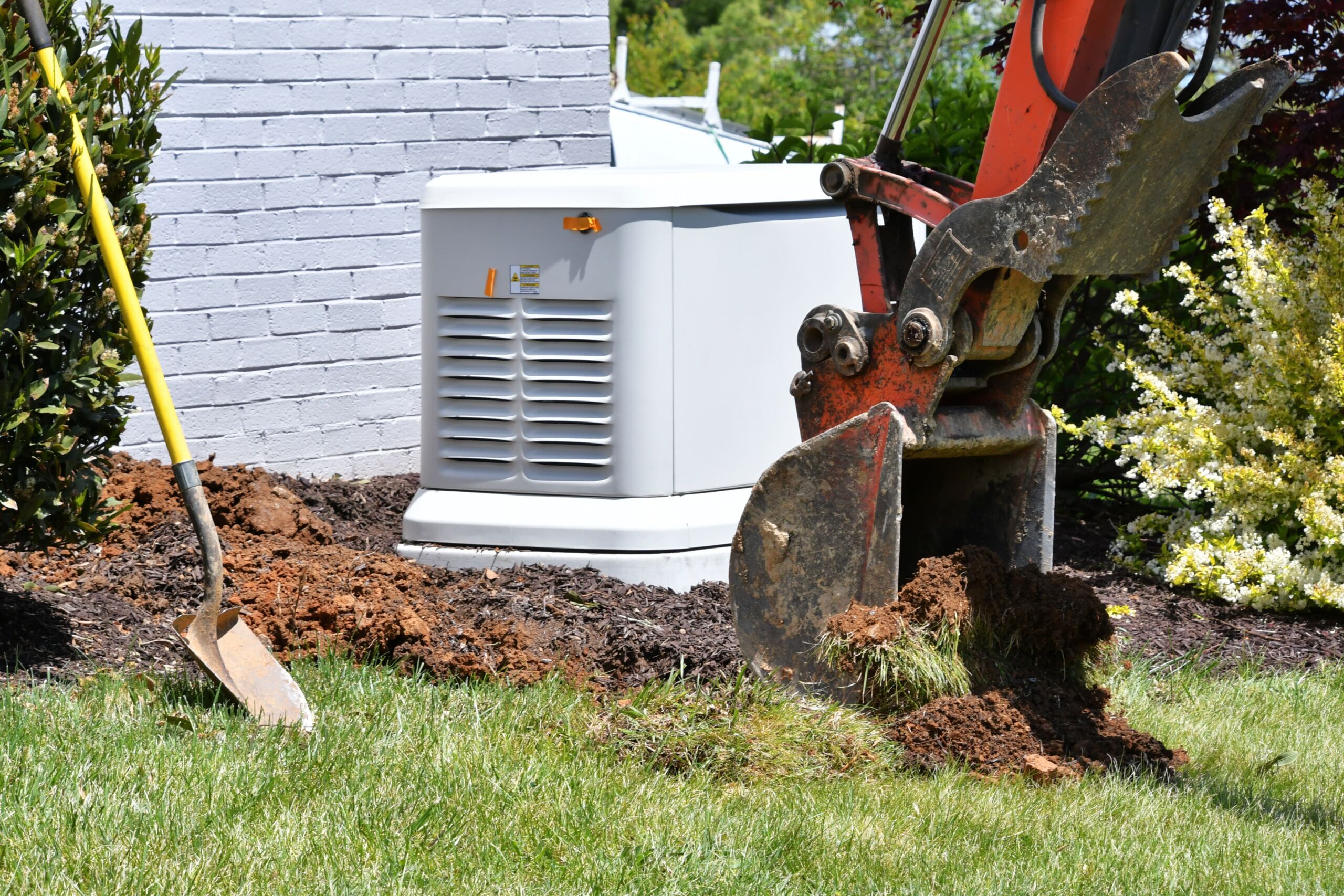
Long Island Power Systems, located in Southampton, New York, provides professional backup generator service on Long Island for residential and commercial properties. With expertise in installing and maintaining home backup generators, the company helps homeowners select the right location for a backup residential generator. Understanding the full generator installation process helps homeowners prepare for each step. Proper placement is important to support efficient operation, safe ventilation, and accessibility for maintenance.
Choosing the ideal spot for a backup power generator involves evaluating factors such as airflow, noise, clearance from structures, and compliance with local codes. This guide will help homeowners understand key considerations when positioning backup generators. It will also outline best practices for supporting effective operation when the system is needed.
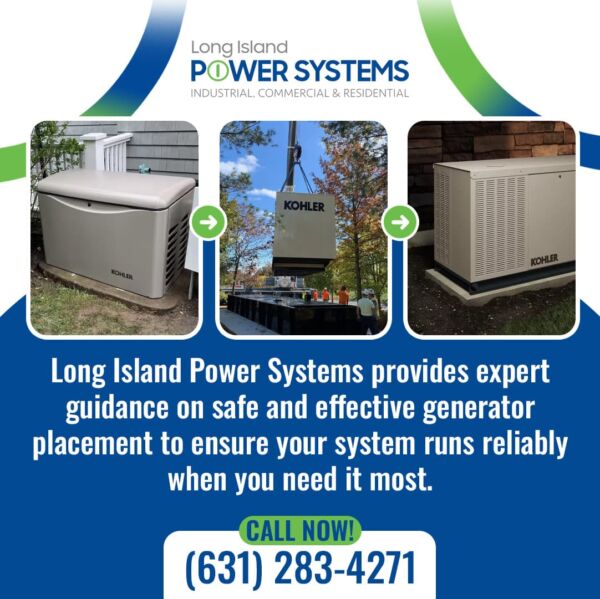
Basics of Generator Placement
When setting up a backup power system at your home, the location of the generator affects both performance and accessibility. Paying attention to a few simple factors can help your backup generator work efficiently and remain easy to service over time.
Outdoor Installation for Proper Ventilation
A backup residential generator produces heat and exhaust during operation, which must move freely to avoid buildup. Installing the unit outdoors allows air to circulate through the system, keeping it cooler and reducing the concentration of fumes near your home.
Placing the generator in an open area also makes it easier for technicians to access for service without rearranging equipment or landscaping. Units positioned too close to walls, fences, or dense vegetation may experience restricted airflow, which can affect the generator’s overall performance and longevity.
Stable Surfaces and Pad Requirements
Generators need a firm, level base to operate safely. A concrete or composite pad provides stability, reduces vibration, and protects internal components from shifting during operation.
Installing the unit on uneven ground can create alignment issues that may impact connections and overall function. A prepared area also elevates the generator above potential water or mud accumulation, which is particularly important in areas prone to seasonal rainfall or coastal flooding.
Space for Routine Maintenance
Regular inspections, refueling, and minor repairs are part of maintaining home backup generators. Providing adequate space around the generator allows technicians and homeowners to access the system comfortably for maintenance and safety checks.
Sufficient clearance makes it easier to monitor fuel levels, test the automatic transfer switch, and perform routine cleaning without moving the unit or creating hazards.
Environmental Considerations for Placement
Choosing the right location for your generator requires attention to the surrounding environment. Factors such as weather, drainage, and temperature can affect how well a backup power generator performs and how long it lasts.
Weather Exposure
Generators placed in areas exposed to strong winds, heavy rain, or salt air from coastal conditions can face increased wear over time. Positioning the unit where it is shielded from extreme weather helps protect the system and maintain reliable operation.
Using natural barriers or small enclosures designed for outdoor generators can reduce exposure while still allowing proper airflow. Considering wind direction and storm patterns in your area can also prevent debris from damaging the unit during storms.
Drainage and Flood Risk
Water pooling around a generator can damage electrical components and increase maintenance needs. Locating the generator on elevated or well-drained ground helps keep it dry and operational during heavy rain or flooding.
Installing a dedicated pad or platform can further protect the system, keeping it above areas where water tends to accumulate. For homes near coastal zones or low-lying areas, extra attention to drainage and elevation can help the unit remain functional during severe weather.
Temperature and Sunlight Effects
Excessive heat or prolonged exposure to direct sunlight can affect the performance of a generator over time. Placing the system in a shaded spot reduces heat stress and helps maintain consistent operation.
Consider positioning it near trees or structures that provide natural shade while still allowing airflow. Cold temperatures can also impact fuel and battery performance, so selecting a location that balances sun exposure and protection is helpful in all seasons.
Property-Specific Placement Factors
Every home is different, and the layout of your property can influence where a backup generator will work best. Considering how your home is arranged, along with nearby features, will help you select a location that balances convenience, performance, and safety.
Proximity to Electrical Panels
The distance between your generator and your main electrical panel affects how efficiently the system delivers power during an outage. Placing the generator close enough to the panel reduces the length of wiring needed and helps maintain consistent power flow. While you don’t want it directly against the house, being within a reasonable distance keeps installation simpler and more manageable for service visits.
Noise Management
Generators produce sound while running, which can impact comfort in your home and outdoor spaces. Positioning the generator away from bedrooms, living areas, and outdoor seating helps minimize disturbance. You can also use fences, walls, or landscaping to reduce sound transmission while keeping the unit accessible for maintenance.
Yard Layout and Obstacles
Trees, fences, sheds, and other obstacles can affect where a generator can be safely placed. Selecting a clear area without obstructions makes it easier to operate and maintain home backup generators over time. It also helps ensure proper airflow around the unit, reduces debris accumulation, and provides room for technicians to work without navigating tight spaces.
Avoiding Common Placement Mistakes
Even with careful planning, certain placement errors can reduce a generator’s effectiveness or make maintenance more difficult. Recognizing these common mistakes helps you avoid problems before installation begins.
Confined or Enclosed Spaces
Placing a generator in a tight area with limited airflow can cause heat buildup and limit ventilation. Avoiding confined or enclosed spaces allows the unit to operate more efficiently and reduces the risk of fumes collecting near your home. Outdoor clearance around the generator also makes routine inspections and minor repairs simpler, which benefits both you and your service provider.
Close Proximity to Openings
Doors, windows, vents, and other openings can expose occupants to exhaust or noise if a generator is placed too nearby. Keeping a safe distance from these openings can help reduce the chance of fumes entering living areas and help maintain a quieter environment. Even a few feet of separation can make a noticeable difference for comfort and safety.
Poor Access for Service
A generator that is difficult to reach can make routine maintenance or emergency repairs challenging. Providing clear access for technicians supports efficient backup generator service and reduces potential delays during inspections or repairs. Leaving adequate space around the unit also allows you to check fuel levels, test switches, and perform basic upkeep without obstacles.
Compliance and Best Practices
Proper placement of a generator involves not only physical considerations but also adherence to manufacturer recommendations and local regulations. Paying attention to these details helps your system perform reliably while keeping your property safe.
Following Manufacturer Guidelines
Each generator comes with specific instructions for placement, clearance, and operation. Adhering to these guidelines protects the unit and supports consistent performance over time. These recommendations cover distances from walls, ventilation requirements, and setup procedures that can affect both efficiency and safety.
Fuel Supply and Electrical Connections
How fuel lines and electrical connections are routed can influence how easily the generator operates and is serviced. Correct placement allows for safe, accessible connections that support the smooth operation of your backup power generator. Positioning the unit with future refueling and electrical maintenance in mind reduces potential interruptions or hazards.
Local Building Codes and Noise Regulations
Municipal regulations can dictate where a generator can be placed, how far it must sit from structures, and limit operational noise. Reviewing local codes helps you select a location that meets requirements and minimizes potential complaints from neighbors. Planning for compliance reduces the need for relocation or modifications after installation.
FAQs About Backup Generator Placement
Many homeowners have questions about where to place a backup generator for safe and reliable operation. The following answers address common concerns in a concise manner.
Q: Can a generator be installed near windows or doors?
A generator should be positioned several feet from windows or doors to limit the potential for exhaust fumes entering living spaces.
Q: How far from the electrical panel should it be?
The generator should be positioned close enough to the electrical panel to maintain efficient connections while allowing room for service access.
Q: Are elevated pads necessary for all homes?
Elevated pads are recommended for homes in flood-prone or low-lying areas, while homes with good drainage may not require them.
Q: Can the generator affect HVAC units?
A generator can affect nearby HVAC units if placed too close, so maintaining adequate spacing helps both systems function properly.
How Long Island Power Systems Supports Generator Placement
Long Island Power Systems works closely with homeowners to provide practical solutions for residential backup power. Our approach focuses on evaluating property-specific needs and setting up generators to operate efficiently and safely.
Personalized On-Site Consultation
Every property has unique requirements that affect generator placement. Our team conducts on-site visits to evaluate airflow, clearance, and environmental factors, helping identify the most suitable location for your backup power generator. This allows homeowners to make decisions with a clear view of the property’s layout and potential limitations.
Professional Installation Services
Installing a generator involves more than just setting it on a pad; correct positioning impacts performance and long-term reliability. Long Island Power Systems provides backup generator service on Long Island, ensuring units are positioned properly and connected safely to fuel and electrical systems. Our experience helps position each generator for smooth operation and convenient access for routine service.
Adherence to Manufacturer and Local Codes
Compliance with manufacturer recommendations and local regulations helps avoid operational issues and potential code violations. We follow all guidelines to position the generator in a way that aligns with safety standards and municipal requirements. This attention to detail reduces potential obstacles during inspection or service visits.
Ongoing Maintenance Planning
Routine maintenance is essential to keep generators ready for use when needed. Long Island Power Systems works with homeowners to plan access and service schedules for backup residential generators, helping maintain reliable operation over time. Proper planning supports easy inspections, refueling, and testing without disrupting the property or daily activities.
Schedule Your Backup Generator Consultation
Protect your home or business with reliable backup power solutions from Long Island Power Systems. Our team provides expert guidance, professional installation, and ongoing support for backup residential generators across Long Island.
Contact us today at (631) 283-4271 to request a consultation or a quote. Trust our professionals to help you choose the right generator placement for your property and support reliable power during outages.