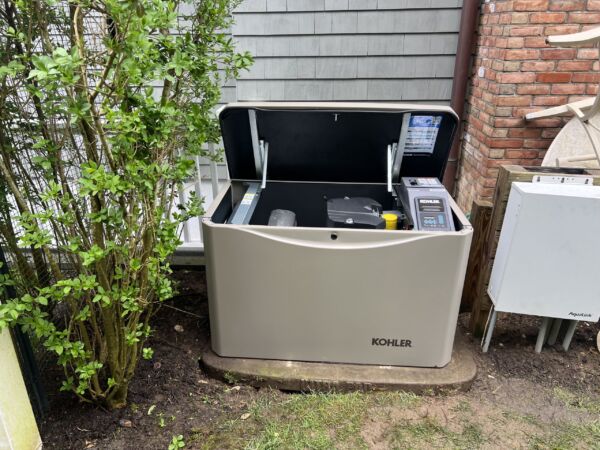
Long Island Power Systems provides reliable backup generator service on Long Island, helping homeowners and businesses maintain power during storms and outages. Our team handles installation, maintenance, and support for residential and light commercial systems, keeping them ready when needed. Explore our dedicated generator maintenance services to schedule your next inspection.
A backup power generator protects your property from interruptions and preserves critical systems during severe weather. By following an annual inspection checklist, Long Island residents can identify potential issues early, keep their generators ready for emergencies, and reduce the risk of costly downtime or damage.
Why Annual Generator Inspections Matter
Regular inspections help you identify issues before they become expensive problems. By checking your generator annually, you can maintain reliability and extend the lifespan of your equipment.
Inspections detect hidden problems that could cause generator failure. Over time, components such as fuel lines, batteries, and wiring may degrade without showing obvious signs. On Long Island, storms and high humidity increase the likelihood of corrosion, moisture buildup, and other damage that can interrupt generator performance. Scheduling professional backup generator service on Long Island can help identify these issues early and keep your system ready.
Protecting Your Home and Business
Generators prevent costly disruptions during outages. Maintaining your home backup generators allows you to keep lights, heating, cooling systems, and medical devices operational. Businesses can continue running refrigeration, IT infrastructure, and pumps without interruption. Proper service minimizes downtime and protects both daily routines and essential operations.
Maintaining Generator Efficiency
Regular maintenance keeps your generator running efficiently. Checking fuel, oil, and coolant maintains the engine’s performance, while batteries remain charged and circuits functional. Routine maintenance through a trusted backup power generator service reduces the risk of unexpected failures, lowers repair costs, and helps your generator perform reliably during storms.
Pre-Storm Preparation Steps
Taking steps before a storm helps prevent emergencies and protects both your home and business. Performing visual and operational checks allows your generator to function reliably when the power goes out. By checking each component in advance, you reduce the risk of unexpected failures and make sure that your backup systems are ready to provide continuous power.
Visual Equipment Inspection
Check for leaks, corrosion, and loose components. Begin by walking around your generator and inspecting fuel lines, oil connections, hoses, and wiring for any signs of wear or deterioration. Even small leaks can affect performance and increase the risk of damage during heavy use. Make sure the area surrounding your generator is free of debris, vegetation, or other obstructions that could block airflow.
Proper ventilation is critical for preventing overheating and maintaining safe operation. You should also examine the exhaust system for signs of blockage or damage, as any restriction could impact generator efficiency and create hazards. By keeping your equipment clean and unobstructed, your backup power generator remains ready for immediate use.
Testing the Automatic Transfer Switch (ATS)
Verify that the ATS switches power automatically. The automatic transfer switch shifts electricity from the utility grid to your generator during an outage. Without proper testing, you could encounter delays or manual intervention during a storm, which could interrupt essential systems.
For homes, a functional ATS keeps lights, HVAC, and medical devices running without interruption. For businesses, it makes sure that refrigeration, pumps, and IT equipment remain operational. Testing your ATS regularly helps confirm that your backup residential generator engages properly, giving you confidence that the system will respond as needed.
Fuel and Oil Checks
Confirm adequate fuel levels and oil quality. Generators that run on diesel or natural gas must have sufficient fuel to operate throughout an outage. Check the oil and coolant levels, especially in liquid-cooled systems, to avoid engine damage and maintain consistent performance.
Low fuel or degraded fluids can prevent the generator from starting or sustaining operation, leaving your property vulnerable during storms. Scheduling routine backup generator service on Long Island can help identify potential issues, replace worn components, and keep your system fully prepared for emergency use.
By performing these pre-storm inspections, you reduce the risk of failure, protect critical systems, and maximize the reliability of your generator. Simple preparation helps your home or business continue to operate smoothly during unexpected outages and severe weather conditions.
Electrical System Checks
Electrical inspections help confirm that your generator operates safely and reliably during a power outage. Batteries, wiring, and related components play a critical role in starting and running the generator under load. Regular checks can prevent unexpected downtime and extend the lifespan of your backup power generator.
Battery Health and Connections
Test battery charge and terminal connections. Start by measuring the battery voltage to verify it has sufficient charge for starting the generator. Inspect terminals for corrosion or buildup, which can interfere with electrical flow and cause starting problems. Clean any corrosion using a non-metallic brush and reconnect terminals securely. Loose connections or worn battery cables can lead to generator failure at the worst possible time.
If you notice repeated battery issues, scheduling professional backup generator service on Long Island can help replace worn batteries and maintain consistent performance for your home backup generators.
Circuit Breakers and Wiring
Inspect all circuit breakers and wiring. Look for signs of wear, overheating, or discoloration on breakers, fuses, and wiring. Make sure that all electrical connections are tight and components are securely mounted. Damaged or loose wiring can create sparks, short circuits, or complete system failure during an outage.
Proper electrical checks keep the generator functioning and also reduce fire hazards and other safety risks. For residential or light commercial setups, periodic inspections of the electrical system complement your overall maintenance routine and help your generator operate reliably when it is most needed.
By completing these electrical system checks, you maintain the critical pathways that deliver power from the generator to your home or business. Batteries, breakers, and wiring all work together to keep essential systems running, and careful inspection allows you to address issues before they impact performance. Following this routine strengthens the reliability of your backup power generator and keeps your property prepared for any storm-related outages.
Load Testing Your Backup Power Generator
Load testing demonstrates that your generator can support your home or business during a power outage. Running these tests under realistic conditions verifies the generator’s capacity, reliability, and stability, helping you avoid failures during storms. Proper testing also allows you to address potential issues before they impact critical systems.
Running a Partial Load Test
Simulate typical power usage. Begin by connecting everyday appliances, lights, and HVAC systems to your generator. Observe how the generator handles this load and listen for unusual noises or vibrations.
Partial load testing helps confirm that your home backup generator or backup residential generator can handle normal operational demands without interruptions. Performing these tests regularly allows you to detect minor issues, such as voltage fluctuations or battery strain, before they escalate into more serious problems.
Conducting a Full Load Test
Simulate maximum expected power demand. A full load test applies the generator’s total capacity, mimicking the worst-case scenario of multiple appliances and systems running simultaneously. This process confirms that the generator can operate continuously without overheating, shutting down, or triggering safety cutoffs.
Full load testing is especially important for businesses that rely on refrigeration, pumps, or IT equipment. It confirms that a backup power generator can sustain essential operations during extended outages. Scheduling professional backup generator service on Long Island during load testing helps identify and correct any issues with fuel delivery, wiring, or the automatic transfer switch. This process allows your system to perform reliably when it is needed most.
Maintenance Checklist for Long-Term Reliability
Routine maintenance protects your generator and helps it deliver consistent power when you need it. Regular attention to mechanical components, fluids, and service records extends the life of your system and minimizes unexpected interruptions. Following a structured maintenance plan ensures that your backup power generator continues to operate efficiently and safely over time.
Cleaning and Lubrication Tasks
Remove debris and dust, and lubricate moving parts. Dirt, leaves, and dust can accumulate around your generator, restricting airflow and increasing wear on moving components. Gently cleaning the exterior and accessible interior parts prevents corrosion and overheating.
Lubricating hinges, shafts, and other moving parts keeps mechanical components operating smoothly. These simple tasks help your backup residential generator maintain reliable performance without placing unnecessary strain on the engine.
Replacement of Wearable Components
Change oil, filters, spark plugs, and belts. Over time, these items degrade and can cause your generator to run inefficiently or fail. Replacing filters provides proper airflow and fuel filtration, while fresh oil protects engine components from friction.
Spark plugs maintain ignition reliability, and belts transfer mechanical energy without slipping or breaking. Performing these replacements as part of your maintenance routine reduces the risk of unexpected failure and keeps your backup generator working effectively.
Record-Keeping and Scheduling
Log inspection dates and service tasks. Keeping a detailed record of maintenance activities, fuel changes, oil changes, and repairs allows you to monitor patterns and plan future inspections.
Scheduling routine service with a professional technician makes sure that no component is overlooked. This documentation is particularly valuable for backup power generators in homes and light commercial settings, as it provides a clear history of care and performance.
Long Island Power Systems: Storm-Ready Generator Services
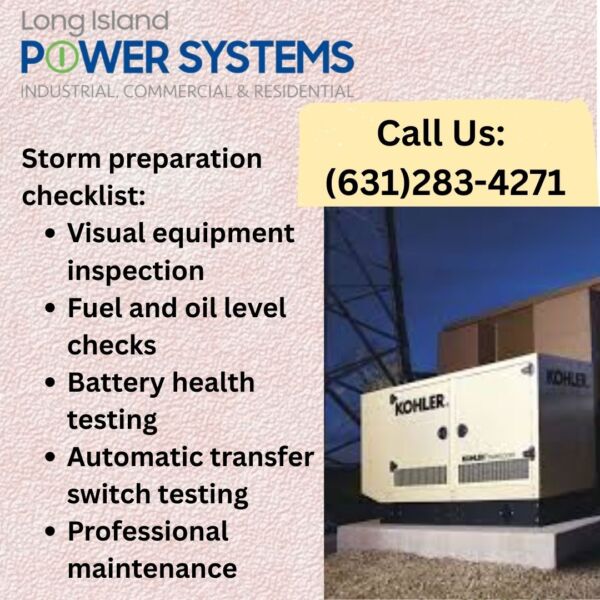
Professional service is key to keeping your generator ready for storms and unexpected outages. Long Island Power Systems offers a full range of services to maintain and repair generators, helping both homeowners and small businesses maintain reliable power. Our team works closely with clients to address issues proactively, so your backup power generator operates consistently during high-risk weather.
Residential Backup Generator Support
Annual inspections and preventive maintenance are available. Homeowners can schedule a technician to check fuel levels, battery health, and the automatic transfer switch (ATS). These inspections help detect potential problems early, reducing the chance of failure when a storm hits.
When you rely on a home backup generator, professional support ensures that your system is ready to deliver power for lights, HVAC, medical equipment, and other critical systems.
Light Commercial Backup Generator Services
Service for small businesses includes load testing and parts replacement. Regular maintenance helps keep refrigeration, pumps, and IT equipment operational during outages. Our technicians also inspect wiring, breakers, and mechanical components to maintain full functionality.
Businesses that invest in routine service benefit from fewer disruptions and faster recovery after storms, with their backup power generator consistently prepared to support daily operations.
On-Demand Emergency Response
24/7 support is available during storms. Our emergency response team can quickly address generator failures, fuel issues, or mechanical problems. Fast service minimizes downtime and protects homes and businesses from extended power loss. By contacting Long Island Power Systems, clients gain access to technicians who understand the demands of local weather and can restore generator functionality efficiently.
Through a combination of scheduled maintenance, inspections, and on-demand support, Long Island Power Systems helps clients stay prepared for storms. From residential homes with home backup generators to light commercial facilities relying on a backup generator, our services provide reliable performance and rapid response whenever outages occur.
Get Your Generator Storm-Ready Today!
Protect your home or business with professional generator services from Long Island Power Systems. Our team provides inspections, maintenance, and emergency support to keep your backup power generator operating reliably.
Contact us now at (631) 283-4271to schedule your service. Do not wait for the next storm. Let our professionals help keep your property powered and protected.