Long Island Power Systems is a dependable provider of backup generator service on Long Island, specializing in reliable power solutions. Ensuring your backup power generator is functioning properly is vital to maintaining uninterrupted power during outages. If issues escalate, understanding common generator emergencies requiring professional attention can help you act quickly. Knowing the signs that your generator requires service can prevent unexpected failures and protect your home or business. Browse our full backup generator resources for maintenance guides and service tips.
Here, we’ll outline five clear indicators that your backup generator needs professional attention before it stops working when you need it most. Recognizing these warning signs helps you act proactively to maintain reliable backup power, safeguarding your property and daily operations against power interruptions.
Why Regular Maintenance Matters
Regular maintenance keeps your backup generator reliable and prevents unexpected failures. Backup generators are essential for providing emergency power during outages, protecting both homes and businesses. Without proper upkeep, these systems may fail when you rely on them most. Routine inspections and servicing help extend the lifespan of your backup residential generator, improve its performance, and reduce the likelihood of costly repairs.
Impact of Generator Failure
Power loss affects comfort, safety, and business operations. For homeowners, outages can mean loss of heating or cooling, impacting comfort and health. For businesses, power interruptions can cause inventory spoilage, halt operations, and increase recovery time and expenses. Regular maintenance of home backup generators reduces these risks and helps maintain a steady power supply when you need it most.
Sign 1: Unusual Noises During Operation
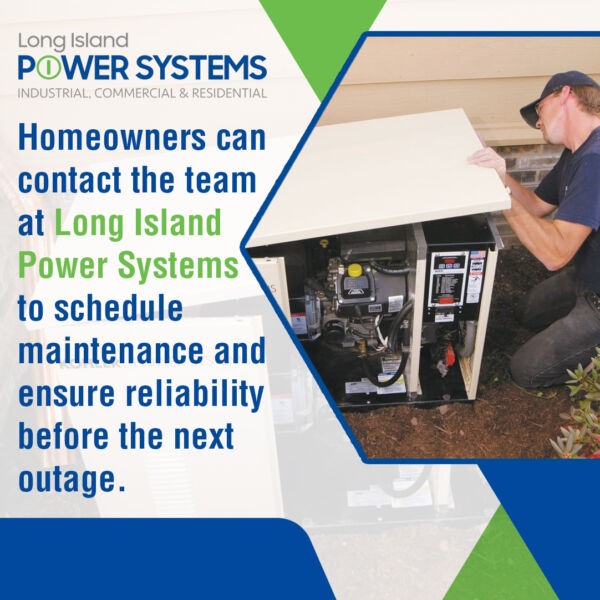
Unusual noises coming from your backup power generator often indicate that something is wrong. Paying attention to these sounds early can help you avoid major repairs and keep your system running smoothly.
Unusual noises are a warning sign of mechanical or electrical problems. These noises are not part of normal generator operation and usually signal internal issues. You might hear grinding, knocking, or whining sounds that stand out compared to the regular hum of your home backup generators.
Types of Abnormal Sounds to Listen For
Grinding or knocking noises often point to worn-out bearings or parts that have become loose over time. Whining or buzzing sounds can suggest electrical problems within the system. Any sound that feels out of place should be treated seriously, as ignoring it could lead to more severe damage.
Possible Causes of These Noises
The source of these unusual noises can vary. Damaged components such as belts or gears may create grinding sounds, while vibration caused by loose parts can lead to knocking. Electrical faults, including problems with the alternator or wiring, often produce buzzing or whining. Regular wear and tear contributes to these problems, especially if your backup residential generator has not been serviced for an extended period.
What to Do If You Hear Them
If you detect any of these abnormal sounds, contact a professional offering backup generator service on Long Island as soon as possible. Delaying repairs can increase costs and raise the chance of total generator failure during a power outage. Acting quickly will help maintain your backup power generator’s reliability and protect your home or business from unexpected power loss.
Sign 2: Difficulty Starting or Frequent Shutdowns
Difficulty starting or unexpected shutdowns are clear indications that your generator is facing internal problems. Generators that struggle to start or stop unexpectedly are less reliable during outages. This can impact your home’s or business’s backup power generator’s performance when you need it most.
Common Reasons Generators Struggle to Start
Fuel contamination, weak batteries, or faulty sensors often cause starting issues. For example, fuel can degrade over time or become clogged, preventing the generator from igniting properly. Additionally, a weak battery reduces the electrical power needed to start the system.
Faulty sensors may fail to communicate essential information, causing the generator to hesitate or fail during startup. These issues are common in backup residential generators, especially if routine maintenance is skipped.
How Frequent Shutdowns Indicate Underlying Issues
Random shutdowns usually mean overheating, low oil, or sensor malfunctions. Overheating can result from blocked ventilation or coolant problems, while low oil levels can trigger automatic shutdowns to protect engine components.
Sensor malfunctions might cause the system to misinterpret operational status, forcing the generator to stop unexpectedly. Frequent shutdowns lower the reliability of home backup generators during critical times.
When to Call a Professional for Help
If your generator starts poorly or shuts down often, seek professional service. Attempting to fix these problems without proper tools or knowledge may cause further damage. Experienced technicians offering backup generator service on Long Island can diagnose these issues accurately and restore your system to reliable operation. Prompt professional support helps prevent longer outages and costly repairs.
Sign 3: Fuel or Oil Leaks
Fuel or oil leaks are serious problems that can threaten both safety and your generator’s operation. Leaks can cause fire hazards or engine wear, threatening generator performance and safety. Recognizing the signs early can help you avoid damage and maintain a reliable backup power generator for your home or business.
Signs of Fuel or Oil Leakage
Look for stains, wet spots, or strong fuel or oil smells near the generator. Fuel or oil leaks often leave visible evidence, such as puddles or drips, under the unit. You might also notice a distinct odor of gasoline or engine oil around your backup residential generator. Regularly checking for these signs is essential to prevent unnoticed damage.
Risks Associated with Leaks
Leaks increase fire risk and reduce lubrication, causing engine damage. Fuel spills are highly flammable, creating a dangerous environment near your home, backup generators, or industrial systems. Meanwhile, oil leaks lower the lubrication level inside the engine, accelerating wear and potentially causing costly repairs or even generator failure.
Importance of Immediate Attention
Address leaks promptly to avoid safety risks and prevent costly generator damage. Ignoring these issues can lead to fires or severe engine damage. Scheduling professional backup generator service will help detect leaks early and apply the necessary repairs to keep your power system safe and functional.
Sign 4: Irregular Power Output or Flickering
Flickering lights or an unstable power supply indicate your generator is not performing properly. Flickering lights or unstable power indicate generator performance issues. Addressing these issues helps protect your home backup generators and electronic devices from damage.
How Power Fluctuations Affect Your Devices
Voltage changes can harm sensitive appliances and reduce operational reliability. Unstable power can cause lights to flicker and disrupt the normal operation of electronics connected to your backup residential generator. These fluctuations increase the risk of early device failure or malfunction.
Causes Behind Inconsistent Power Supply
Faulty voltage regulators, worn alternators, or fuel inconsistencies cause fluctuations. Components responsible for stabilizing power can wear out or malfunction over time. Fuel quality problems can also impact the generator’s ability to maintain steady output, affecting the performance of your backup power generator.
Steps to Take if You Notice Power Issues
Test output regularly and schedule repairs if flickering or fluctuations occur. Monitoring your generator’s power delivery helps catch problems early. Professional backup generator service can diagnose the cause and restore steady power, protecting your home or business systems.
Sign 5: Warning Lights or Error Codes on the Control Panel
Warning lights or error codes on your generator’s control panel signal that the system has detected a fault. Warning lights or error codes highlight specific system faults needing attention. Paying attention to these alerts can help prevent serious damage to your backup power generator.
Understanding Your Generator’s Indicators
Control panels use lights or codes to show low oil, overheating, or sensor problems. These indicators provide specific information about the status of your generator. Review your backup residential generator’s manual to interpret these signals accurately and respond appropriately.
Common Error Codes and Their Meanings
Codes may indicate low oil pressure, high temperature, or communication errors. Each code corresponds to a particular issue, such as engine overheating or sensor malfunction. Recognizing these signs helps you understand the urgency and type of service your generator requires.
Responding to Warning Signals Promptly
Do not ignore alerts; schedule professional service to prevent total failure. Addressing warning lights early reduces the chance of unexpected shutdowns or costly repairs. Regular generator service keeps your system running reliably.
Trusted Generator Services by Long Island Power Systems
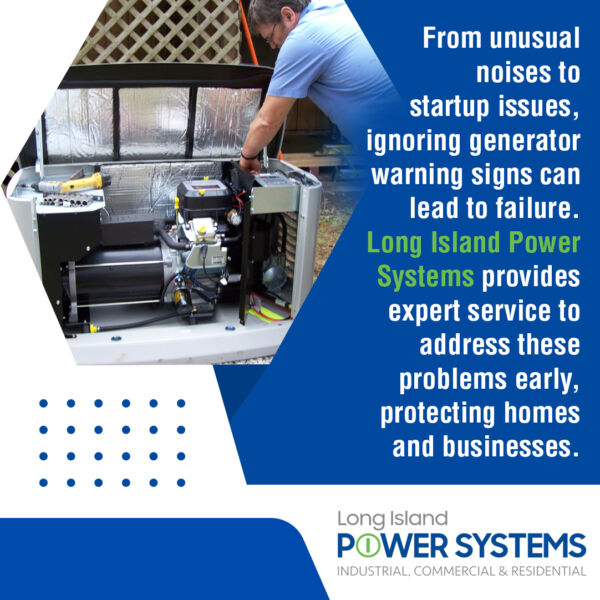
Long Island Power Systems is a trusted provider of backup generator service on Long Island. Located in Southampton, NY, we specialize in sales, installation, maintenance, and emergency repairs of backup power generators. Our extensive approach supports both residential and commercial customers throughout the region.
Local Backup Generator Expertise
Long Island Power Systems has extensive experience serving residential and commercial clients locally. Our technicians are familiar with the unique power needs and environmental conditions of Long Island. This local knowledge allows us to recommend home backup generators and commercial units that perform reliably in the area’s specific climate and infrastructure.
Services: Sales, Installation & Support
Services include delivering quality generators, professional installation, routine maintenance, and rapid emergency response. As authorized dealers of Kohler and Generac, Long Island Power Systems offers high-quality backup residential generator products backed by factory warranties. Our skilled technicians handle every stage from initial setup to ongoing upkeep.
Commitment to Reliable Power
Long Island Power Systems prioritizes keeping homes and businesses powered during outages. Our team collaborates closely with clients to identify the best backup power generator options tailored to individual requirements. With the service at Long Island Power Systems, customers gain dependable energy solutions that minimize disruption during power failures.
Keep Your Backup Generator Ready!
Don’t wait for an outage to discover your backup generator needs service. Contact Long Island Power Systems at (631) 283-4271 for skilled backup generator service. Our qualified technicians are ready to help with installation, maintenance, and emergency repairs to keep your home and business powered reliably. Protect your property and avoid unexpected power interruptions by scheduling your backup generator service today.