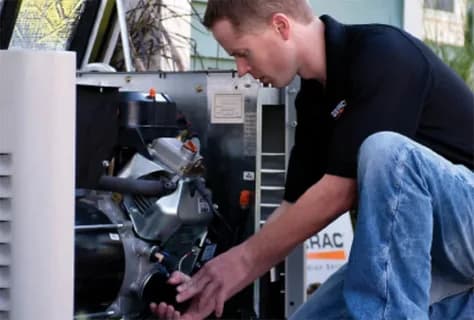
Power outages affect more than just the lights in a home. For a foundational overview, our introduction to backup power generators explains how these systems work and why every homeowner should consider one. Heating, cooling, water systems, appliances, and medical devices all rely on electricity. A sudden loss of power can disrupt daily routines and create risks for safety and comfort. Homeowners need solutions that maintain essential systems during these emergencies.
Long Island Power Systems, based in Southampton, New York provides reliable solutions with emergency backup generators. Our team helps homeowners select, install, and maintain backup generators to keep critical systems running when power fails. With a properly installed backup power generator, families can stay safe and maintain essential functions during outages.
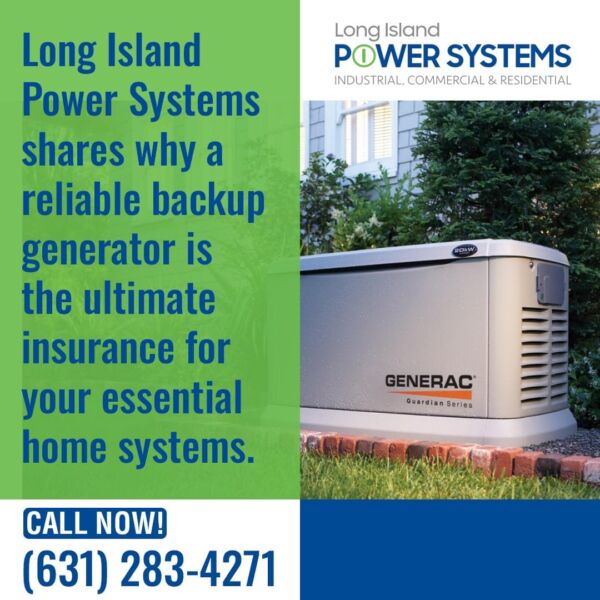
Understanding Home Power Emergencies
Power interruptions can happen at any time and often without warning. Knowing what causes them and how long they might last helps you prepare for the effects on your home systems.
Causes of Power Outages
Power outages can stem from a variety of sources. Severe weather, such as storms or high winds, can damage power lines and lead to widespread outages. Utility failures due to technical issues or scheduled maintenance can temporarily cut electricity to your neighborhood.
Equipment malfunctions within the home, such as faulty breakers or aging wiring, can also interrupt power. A backup power generator provides continuous electricity during these unexpected interruptions, keeping your household running smoothly.
Duration and Impact
Outages can last anywhere from a few minutes to several hours, and extended interruptions can create serious challenges. Short outages may only affect lighting or small appliances, while longer interruptions can disrupt heating, cooling, water systems, and refrigeration.
Residential emergency backup generators help maintain essential home systems, protecting your family and property from avoidable problems. By understanding the possible duration of outages, you can reduce stress and respond effectively when electricity is lost.
Heating and Cooling System Vulnerabilities
Heating and cooling systems rely on electricity to regulate indoor temperatures throughout the year. During a power outage, these systems stop operating, which can quickly affect comfort and safety inside your home.
HVAC Dependence on Electricity
Most residential heating and cooling equipment operates through electric controls, motors, and ventilation components. When power is interrupted, air conditioners, furnaces, and heat pumps stop running immediately. This can cause indoor temperatures to rise during hot weather or drop quickly during cold conditions. A home generator allows your HVAC system to continue operating during an outage, helping you maintain stable indoor temperatures.
Temperature changes can also affect other parts of your home. Cold conditions may increase the risk of frozen pipes, while excessive heat can make indoor spaces difficult to occupy. Maintaining HVAC operation during an outage helps protect both comfort and household systems.
Temporary Solutions During Outages
Short outages sometimes require temporary ways to manage indoor temperature. Homeowners may use portable heaters, battery-powered fans, or additional blankets to stay comfortable. These methods provide limited support and often cannot regulate temperature across the entire house. Emergency backup generators can supply electricity to key systems, allowing heating or cooling equipment to operate during power interruptions.
Temporary measures may help for brief outages, but they cannot replace a stable power source for long periods. Reliable backup power allows essential systems to operate until normal electricity service returns.
Water Supply and Plumbing Risks
Water movement inside your home depends on electrically powered equipment. During a power outage, pumps and control systems may stop working, which can interrupt water flow and drainage.
Water Pumps and Pressure Systems
Many homes rely on electric pumps to move water from wells or storage tanks into the plumbing system. When electricity stops, these pumps shut down, and water pressure can drop quickly. Daily activities such as bathing, cooking, and cleaning may become difficult without a steady water flow. A backup power generator keeps water pumps operating during an outage so your home maintains consistent water pressure.
Pressure tanks and pump controls also depend on electricity to regulate water distribution. Without power, the system cannot move water efficiently through pipes. Using a backup power generator allows you to keep pumps and pressure systems functioning during extended outages.
Sewage and Sump Pump Concerns
Sewage ejector pumps and sump pumps move wastewater and groundwater away from your home. When power is lost, these systems stop working, and water can begin to collect in basements or lower levels. Heavy rain during an outage can increase the risk of water buildup. Sump and sewage pumps rely on electricity to remove water from your property, which means outages can raise the risk of basement flooding.
Drainage systems are designed to move water continuously. When pumps shut down, the system cannot remove excess water from the home. Preparing for outages helps you protect areas that are most vulnerable to water accumulation.
Appliances and Food Safety
Many household appliances rely on steady electricity to operate throughout the day. During a power outage, these appliances stop working, which can affect food storage, meal preparation, and daily routines.
Refrigeration and Freezers
Refrigerators and freezers play a central role in preserving food. When electricity is lost, internal temperatures begin to rise, and perishable items can spoil within a few hours. Dairy products, meat, and frozen goods are especially sensitive to temperature changes. Backup generators help keep refrigerators and freezers running during an outage, reducing the risk of food spoilage and waste.
Food safety becomes a concern when refrigeration stops for long periods. Once temperatures inside the appliance rise beyond safe levels, stored food may no longer be safe to consume. Maintaining power for refrigeration equipment allows you to protect stored groceries and avoid unnecessary loss.
Everyday Household Appliances
Power outages also affect other appliances that support daily activities. Electric stoves, microwaves, dishwashers, and washing machines all depend on electricity to function. When these appliances stop working, meal preparation, cleaning, and laundry routines may be interrupted. Most household appliances rely on steady electrical power, so outages can quickly disrupt normal tasks throughout your home.
Some appliances may restart once electricity returns, but others may require manual resets or inspections after an outage. Being aware of how outages affect these devices helps you prepare for temporary disruptions and protect the appliances you rely on every day.
Medical and Safety Equipment Dependence
Many homes rely on electrically powered devices that support health and security. During a power outage, these systems may stop functioning, which can place vulnerable individuals and property at risk.
Life-Support and Critical Health Devices
Certain medical devices require constant electricity to operate safely. Equipment such as oxygen concentrators, CPAP machines, mobility equipment chargers, and medication refrigeration units must remain powered throughout the day and night. When electricity is interrupted, these devices may stop working immediately. A home generator allows critical health devices to remain powered during an outage, helping you maintain continuous support for medical needs.
Households that rely on these systems must plan for power interruptions in advance. Maintaining a reliable source of backup electricity helps you keep essential medical equipment running without disruption.
Security Systems and Emergency Alerts
Home security systems also depend on electricity for continuous monitoring. Alarm panels, motion sensors, cameras, and internet-connected monitoring devices may shut down when power is lost. While some systems contain short-term battery backups, these batteries can drain quickly during extended outages. Security and monitoring equipment require steady electricity to maintain surveillance and alert systems during emergencies.
If these systems stop functioning, your home may lose active monitoring and alert capabilities. Maintaining reliable power allows security equipment to continue operating and helps you stay aware of conditions around your property during a power interruption.
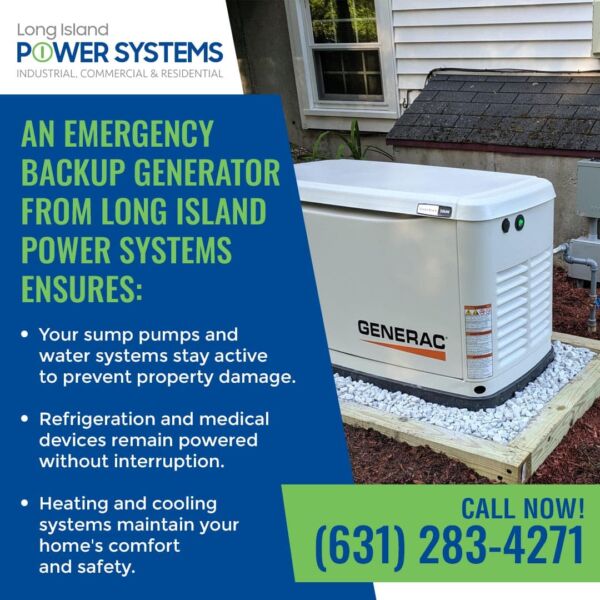
Role of Long Island Power Systems
Preparing your home for power interruptions requires reliable equipment and professional support. Long Island Power Systems helps homeowners protect essential systems by providing dependable generator solutions and technical expertise.
Supplying Emergency Backup Generators
Power outages can disrupt many systems inside your home, which is why having dependable equipment is important. Long Island Power Systems supplies emergency backup generators that provide dependable power during outages. Homeowners across Long Island rely on properly sized generator systems to maintain essential functions such as:
- Heating and cooling systems
- Refrigeration and food storage
- Water pumps and plumbing systems
- Medical equipment and home security devices
By offering a range of residential emergency backup generators, we help you maintain daily routines and protect important systems during unexpected power loss.
Expert Consultation and Installation Services
Choosing the right generator requires a clear understanding of your home’s electrical demand. Our team at Long Island Power Systems works directly with homeowners to evaluate property requirements and recommend suitable equipment. Professional installation of a home generator allows you to power essential systems safely during an outage.
During the consultation and installation process, our team will:
- Assess the electrical load required for your home
- Recommend an appropriately sized generator system
- Install automatic transfer switches for seamless operation
- Integrate the generator with your home’s electrical panel
This structured approach helps you prepare your home for outages while maintaining safe system operation.
Maintenance and Emergency Response
Generator systems require regular inspection and servicing to maintain reliable performance. Long Island Power Systems provides ongoing support so your equipment remains ready whenever power interruptions occur. Routine maintenance and rapid service support help your backup generator operate reliably during emergencies.
Our service and support offerings include:
- Scheduled generator inspections and maintenance
- Replacement of worn or aging components
- Troubleshooting for generator performance issues
- Emergency response support for urgent power concerns
With consistent maintenance and responsive service, you can keep your backup power generator ready to support your home during unexpected outages.
Get Reliable Backup Power for Your Home
Protect your home from unexpected outages with support from Long Island Power Systems. Contact our team today at (631) 283-4271 to discuss dependable backup power options for your home.