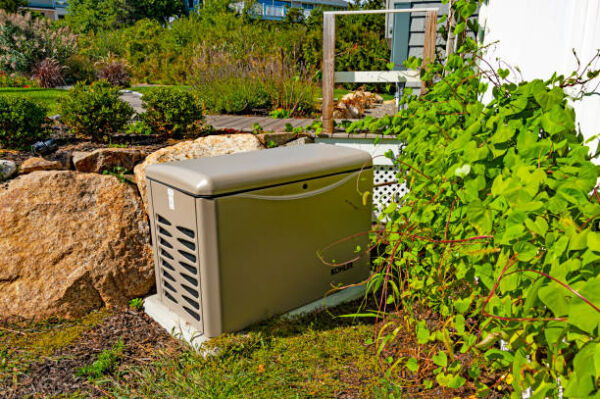
Power outages can strike unexpectedly, leaving homes without essential services. Knowing when a situation qualifies as a true power emergency helps homeowners take timely action. It is also important to recognize common backup power generator emergencies that require immediate professional attention. Residential emergency backup generators are designed to provide support for critical systems like heating, cooling, refrigeration, and medical equipment during extended interruptions. Learn more about our emergency power solutions available to Long Island homeowners.
Long Island Power Systems, located in Southampton, New York, offers professional guidance and installation of backup power generators. With expert support, homeowners can maintain safety and comfort while minimizing the impact of unexpected outages. Planning allows families to stay prepared without relying on temporary fixes.
Recognizing Power Emergencies in Homes
Power emergencies can affect more than just lights. Knowing what counts as a true outage helps you respond quickly and protect your home.
Types of Power Interruptions
Momentary outages are brief interruptions, while extended outages can last hours or days. During a momentary outage, lights may flicker, and electronics might reset, but heating, cooling, and refrigeration usually continue functioning.
Extended outages can stop essential systems such as medical equipment, refrigeration, or heating. A residential emergency backup generator can supply power to critical systems, keeping your home functional until electricity returns.
Common Causes of Home Power Failures
Severe weather events
Weather-related damage is one of the most frequent causes of extended power loss. Storms and hurricanes can knock down power lines or damage transformers, while snow and ice can interrupt service to entire neighborhoods. In these cases, emergency backup generators provide immediate support, keeping essential home systems operational.
Utility grid failures or scheduled maintenance
Power outages may also occur due to utility grid issues or planned maintenance. These interruptions are often temporary, but a home generator can maintain electricity for critical systems until service is restored.
Electrical system malfunctions
Problems inside the home’s electrical system can unexpectedly cut off power. Overloaded circuits, panel failures, or other malfunctions can stop electricity from reaching key areas of the home. Backup power generators supply power to essential systems, giving you time to address the problem safely.
Evaluating Your Home’s Critical Power Needs
Not all home systems are affected equally during a power outage. Understanding which systems are most essential helps you plan and use a backup power solution effectively.
Systems Most Impacted by Outages
Heating, cooling, refrigeration, and lighting are the systems you feel immediately when power is lost. When your heating or cooling stops, the home environment can become uncomfortable quickly. Refrigeration may fail, risking food spoilage, and lighting loss disrupts daily activities.
Beyond these, medical devices like oxygen concentrators or home office equipment can be interrupted, affecting health and work. Having backup generators in place allows these systems to continue operating during extended outages.
Prioritizing Essential Systems
Deciding which systems are critical helps you select the right generator for your home. Not every circuit requires backup; some are optional, such as decorative lighting or non-essential appliances.
By distinguishing essential circuits from non-essential ones, you can focus power from a backup power generator where it matters most. This prioritization makes sure that heating, refrigeration, medical equipment, and other vital systems remain operational until normal electricity returns.
How Emergency Backup Generators Operate
A backup generator is designed to respond automatically when your home loses power. Knowing how it works can help you feel more confident in planning for outages.
Automatic Startup During Power Loss
Emergency backup generators activate automatically when they detect a power outage. Here’s how the process works:
- The generator continuously monitors the electricity coming from the utility.
- When it senses a power interruption, it starts automatically without any manual input.
- Power is directed to the selected circuits that you have prioritized for backup.
- Essential systems, such as heating, refrigeration, and safety equipment, continue to operate immediately.
This process allows your home to continue operating essential systems immediately, minimizing disruption during unexpected outages.
Maintaining Power for Essential Home Systems
A home generator keeps critical systems running during outages. Heating, refrigeration, and safety equipment can continue operating while the main power is down. This uninterrupted supply helps maintain comfort, supports daily routines, and helps reduce the risk of problems such as food spoilage or equipment downtime.
Benefits Without Overpromising
Backup generators help reduce disruption and maintain home functionality. While they cannot prevent all inconvenience, they provide reliable support for essential systems. By keeping your home powered during extended outages, you can focus on other tasks and daily responsibilities without major interruptions.
Preparing Your Home and Family
Being ready for a power outage helps keep your household safe and operational. Planning makes sure that everyone knows their role and essential systems remain functional when electricity is lost.
Developing a Power Contingency Plan
Documenting a clear plan allows your household to respond efficiently during outages. Identify the systems that require continuous power, such as heating, refrigeration, medical devices, and lighting. Note which circuits will be supported by your backup generators and outline steps for longer outages.
Assign responsibilities to household members, including monitoring generator operation, checking fuel, and connecting appliances. Clear roles and written procedures reduce confusion and help maintain essential home functions.
Safe Generator Practices
Following proper safety practices keeps your home and family protected. Place a backup power generator outdoors in a ventilated area, away from doors and windows, to avoid carbon monoxide exposure.
Store and handle fuel carefully to reduce fire risks. Train family members on generator use, including starting, stopping, and operating critical circuits. With preparation and practice, your backup generators can run effectively while keeping everyone safe.
Planning a Reliable Backup Power Solution
Choosing the right generator for your home involves more than picking a model off the shelf. Proper planning helps you match your power needs with a generator that can keep essential systems running during an outage.
Calculating Generator Capacity
Generator size should match the total electrical load of your home.
- Identify all critical systems that need continuous power
- Estimate the combined wattage of these systems to determine the total load.
- Compare this total to the output ratings of different backup generators.
Typical generator capacities vary depending on the number of circuits and devices you plan to power. Selecting the right size makes sure that your essential systems continue operating without interruption.
Professional Consultation
On-site evaluation helps match a backup power generator to your home’s specific needs. A qualified technician can inspect your electrical system to identify which circuits are essential and calculate the total power load required. They provide guidance on generator size, placement, and connection type, making sure that critical systems are supported during extended outages.
Working with experts also allows you to plan for ongoing maintenance and safe operation practices from the start. This gives you confidence that your residential emergency backup generator will meet your household’s needs effectively.
Long Island Power Systems’ Residential Generator Services
Reliable power requires more than just choosing a generator. Long Island Power Systems in Southampton, New York, provides complete support to help homeowners maintain electricity for essential systems during outages. From selecting the right model to ongoing maintenance, our services are designed to keep your home functioning when the unexpected occurs.
Available Generator Models
We offer Kohler and Generac generators built for residential use. These home generators can support heating, cooling, refrigeration, and lighting, helping you keep your home comfortable and operational during outages. Many models include automatic transfer switches, which activate the generator immediately when power is lost. This feature eliminates the need for manual intervention, allowing your emergency backup generators to respond quickly and efficiently.
Choosing the right model depends on your home’s power requirements, the number of circuits you want to back up, and the systems you consider essential. Our team works closely with you to match a generator that meets your household’s needs.
Professional Installation and Safety Practices
Proper installation makes sure that your generator performs safely and reliably. Our technicians handle every step, from placement to connection, following all local codes and safety regulations. Installing your generator correctly reduces risks and helps maintain consistent operation.
Each installation includes testing to confirm that your backup generators supply power to the circuits you’ve prioritized. With a professional setup, you can feel confident that your generator will activate automatically when you need it most, supporting your home’s essential systems without delay.
Ongoing Maintenance and Emergency Support
Regular maintenance and quick response keep your generators ready for any outage. Long Island Power Systems schedules inspections and servicing to maintain peak performance for backup generators. During a power loss, our technicians are available 24/7 to assist with emergency support and strive to respond quickly, addressing any issues and restoring power promptly. This level of support allows you to rely on your generator to keep your home operational, protect appliances, and maintain daily routines, even during extended outages.
From model selection to installation and ongoing care, Long Island Power Systems provides a complete solution for homeowners. With professional guidance, advanced generator technology, and reliable service, your home can stay powered and functional, helping you manage outages more efficiently and maintain a higher level of comfort.
Keep Your Home Powered with Long Island Power Systems
Don’t wait for the next outage to test your home’s power. Contact Long Island Power Systems today at (631) 283-4271 to discuss the right emergency backup generators for your household. Our experts can guide you through model selection, installation, and ongoing support.