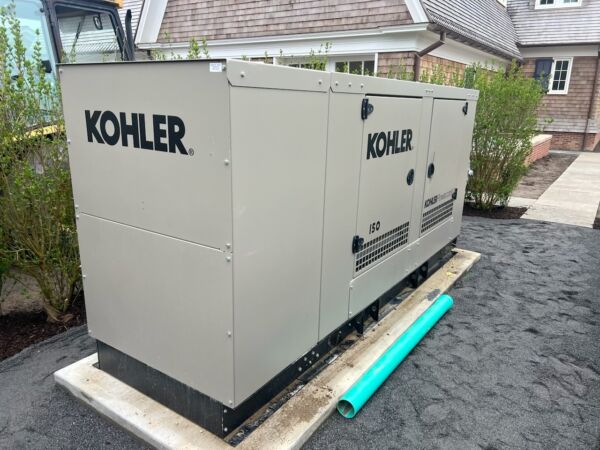
Backup power generator systems play an important role in maintaining electricity during unexpected outages. When these systems do not operate correctly, homes and businesses may experience interruptions that affect comfort, safety, and daily operations. Issues such as startup failure, loss of electrical output, fuel interruptions, or overheating can indicate the need for prompt professional attention to restore proper function.
Long Island Power Systems, based in Southampton, New York, provides installation, repair, and maintenance support for generator systems used in residential and commercial applications. The company works with a range of power solutions designed for standby use in homes and businesses. This article outlines common emergencies that can affect generator performance and explains when professional service may be required to restore reliable operation.
Understanding Backup Power Generator Emergencies
Backup power generator systems support the electrical supply during utility outages. These systems activate automatically and carry essential loads when the main power source is unavailable. Different technical issues can affect startup, power delivery, or load transfer, and each issue reflects a specific system fault based on how the unit performs during an outage.
What Qualifies as a Generator Emergency
Backup power generator emergencies refer to system conditions where an emergency backup generator system fails to start, cannot deliver power, or operates outside normal performance limits during an outage.
A generator emergency occurs when the system does not complete its core function during a power loss. This may include failure to start after a utility outage, partial startup without transferring load, or shutdown shortly after activation. In some cases, the unit may run but not supply electricity to the property, often linked to transfer switch or alternator issues.
Operational Impact on Homes and Businesses
A backup power generator plays a key role in reducing disruption during outages. When performance is affected, the impact is often immediate. Residential properties may lose heating, cooling, refrigeration, lighting, and support for medical devices. Commercial properties may experience interruptions in operations, communication systems, and equipment that depend on continuous power.
Backup generator systems are designed to support continuity during outages. Any failure can affect multiple connected systems within a property, depending on load demand and usage requirements.
Startup Failure
Startup failure is one of the most common issues in backup power systems. It occurs when the generator does not respond or begin operation after a loss of utility power. This condition prevents the system from transitioning into standby mode and supplying electricity during an outage.
Generator Fails to Activate During Outages
Startup failure occurs when a backup generator system does not begin operation after detecting a power loss. In these situations, the generator may remain idle despite a confirmed outage signal. The system does not progress through its normal starting sequence, which interrupts its ability to support the property during power loss.
Common Technical Causes
Several system issues can lead to startup failure in emergency backup generators, including:
- Battery charge failure affecting the starting power supply
- Starter system malfunction preventing engine ignition
- Control module communication issues disrupting start signals
- Fuel delivery interruption limiting engine operation
Each of these issues affects a different part of the starting process. A failure in any one component can prevent the full system from completing its startup cycle during an outage.
Loss of Electrical Output
Loss of electrical output is a condition where the generator is running but does not supply usable electricity to the property. This issue affects the transfer of generated power to connected electrical systems and interrupts normal standby operation.
Generator Runs Without Power Delivery
A backup power generator may operate, but electrical power is not transferred to connected systems. In this situation, the engine may start and run normally, but the electrical load remains without supply. The system appears active, yet it does not deliver power to essential circuits during an outage. This often indicates a disconnect between generation and load transfer functions.
Primary System Sources
Several technical faults can lead to loss of electrical output in a backup generator system:
- Transfer switch failure preventing load connection
- Alternator malfunction limiting power generation
- Circuit breaker trip interrupting electrical flow
- Internal wiring faults affecting distribution paths
Each of these issues affects the flow of electricity from the generator to the building. A fault in any one of these areas can stop power delivery even if the generator engine continues to run.
Fuel System Interruptions in Generator Operation
Fuel system performance directly affects how emergency backup generators operate during power outages. When fuel delivery is inconsistent, the generator may not maintain stable operation under electrical load, which can interrupt the standby power supply.
Irregular or Incomplete Fuel Delivery
Fuel supply issues may affect the stable operation of backup generators, especially under load. In these situations, the generator may start normally but fail to maintain continuous operation once demand increases. Interruptions in fuel flow can cause unstable engine behavior or unexpected shutdown during an outage period.
Common Indicators
Fuel-related issues in a backup power generator system may present through several signs, including:
- The engine shuts down after starting
- Reduced performance under load
- Fuel odor near equipment
These indicators often suggest a disruption in the fuel delivery process. Affected components may include fuel lines, filters, regulators, or supply connections.
Overheating in Emergency Backup Generators
Overheating is a condition that affects system stability during extended operation. It typically develops when internal heat levels rise beyond the generator’s designed operating range, leading to automatic shutdown or reduced performance during an outage.
Temperature-Related Shutdowns
Emergency backup generators may stop operation when internal temperature exceeds safe limits. In these situations, the system may run for a period and then shut down without warning. This response is part of the built-in protection system that prevents internal component damage during high-temperature conditions.
Contributing Conditions
Several factors can lead to overheating in a home generator system, including:
- Restricted airflow around the unit
- Cooling system malfunction or reduced efficiency
- Extended heavy load operation during outages
These conditions can increase internal heat buildup and affect overall system performance. When cooling is not maintained properly, the generator may cycle off until temperatures return to normal operating levels.
Transfer Switch Malfunctions
The transfer switch is responsible for shifting the electrical load between utility power and generator power during an outage. When this component does not function correctly, the entire backup system may fail to deliver electricity to the property even if the generator itself is operating.
Failure in the Power Transfer Process
The transfer switch may not properly shift power from the utility supply to a home generator system during an outage. In these situations, the generator may start as expected, but the electrical load is not transferred to the connected circuits. This disconnect between generation and distribution prevents the system from supporting the property during a power loss.
Common Symptoms
Transfer switch issues may appear through several clear signs:
- No automatic power transfer during outages
- Delayed activation after utility power loss
- Partial circuit power delivery within the property
These symptoms often indicate faults within switching contacts, control wiring, or internal sensing mechanisms. When the transfer process is disrupted, the generator cannot fully integrate with the property’s electrical system.
Role of Long Island Power Systems in Backup Generator Emergency Services
Long Island Power Systems provides installation, repair, and maintenance services for residential, commercial, and industrial backup power generator systems in Southampton, New York. Our work supports homeowners and businesses that depend on standby power during utility outages. The focus is on restoring system function, maintaining readiness, and addressing performance issues that arise during emergency conditions.
Service Overview
We work with a wide range of generator systems, including units used in residential properties and larger commercial facilities. Our services cover new installations as well as inspection, repair, and ongoing maintenance for existing systems. Each service is carried out based on the condition of the equipment and the operational needs of the property, with attention to reliable generator performance during outages.
Emergency Response Support
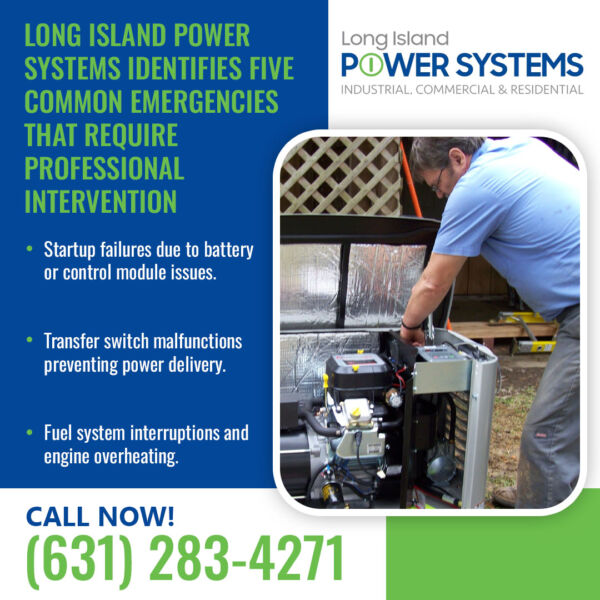
We respond to generator startup failures, power loss issues, fuel system interruptions, overheating conditions, and transfer switch malfunctions affecting residential emergency backup generators and commercial systems.
Emergency service calls focus on situations where generator systems do not operate during an outage or fail to deliver the electrical load. Our response includes identifying faults that prevent startup, disrupt fuel delivery, or interfere with power transfer to the property. Service priority is based on system condition and urgency to support the timely restoration of function.
Technical Service Scope
Our services cover key areas of generator system performance, including:
- Generator diagnostics and repair
- Electrical and mechanical troubleshooting
- Transfer switch inspection and servicing
- Fuel system evaluation
- Preventive maintenance programs
Each service area targets specific parts of the generator system. Diagnostics help identify issues within starting systems, power output systems, and control modules. Repairs address both electrical and mechanical faults that affect system operation during outages. Preventive maintenance supports long-term performance and helps reduce unexpected failures.
Equipment Coverage
We support residential backup generators and commercial power systems, including KOHLER and Generac units. Our service coverage applies to generator systems used in homes, commercial buildings, and industrial facilities. These systems are designed for standby operation and require proper installation and maintenance to perform during power interruptions.
Schedule Service with Long Island Power Systems
Long Island Power Systems provides professional support for backup power generator systems, including residential and commercial emergency services in Southampton, New York. For service, consultation, or emergency assistance, contact our team at (631) 283-4271 to speak with a representative and schedule support.