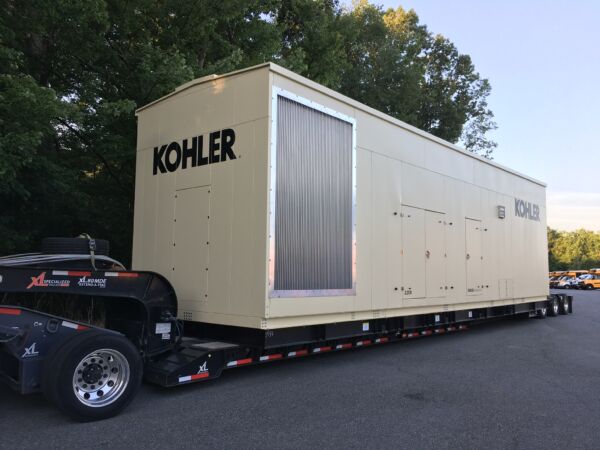
Long Island Power Systems provides reliable solutions for businesses and facilities that rely on industrial generators. The company specializes in Kohler and Generac industrial generators, offering installation, maintenance, and emergency support. With years of experience, we help clients keep their operations running safely during power interruptions.
Using generators safely is critical for any business or facility. Proper installation, operation, and maintenance reduce hazards and protect both equipment and staff. Whether you are looking for an industrial generator for sale or need support with existing industrial generators, understanding essential safety practices is the initial step toward reliable and secure power solutions.
Understanding Industrial Generator Safety
Operating industrial generators safely is essential for every facility that relies on backup power. These machines can provide reliable energy, but without careful attention, they can create hazards for people and equipment. Recognizing these risks before use helps you protect both staff and property.
Recognizing Common Hazards
Carbon monoxide (CO) is one of the most serious risks when using generators. It is colorless, odorless, and can accumulate quickly near generator exhaust. According to the U.S. Consumer Product Safety Commission, portable generators are associated with an average of 85 CO-related deaths per year in the U.S.
Electrical shock is another hazard, often caused by exposed wires or faulty connections. Fuel handling also requires care, as gasoline and diesel are flammable and can ignite if spilled near heat sources.
Planning for Safe Generator Operation
Choosing the right location is key to safe generator use. Place your generator where it has ample ventilation, away from doors, windows, and air intakes. Most experts recommend maintaining a distance of at least 20–25 feet from buildings to prevent CO buildup, depending on local code requirements and the type of residence or facility.
You should also follow the generator’s operational limits. Overloading a system can cause overheating, reduce efficiency, or damage the equipment. Checking the manufacturer’s load and runtime guidelines before operation helps keep your generator running safely.
Installation Safety Guidelines
Installing your generator correctly is a critical step in keeping your facility safe and reliable during power interruptions. Proper setup reduces hazards, prevents equipment damage, and keeps your staff out of harm’s way.
Whether you are installing Kohler industrial generators or another trusted model, taking time with site preparation, electrical setup, and professional inspection makes a noticeable difference in long-term operation.
Preparing the Site
The location you choose for your generator can directly affect safety. Make sure there is enough clearance on all sides for airflow and maintenance. The surface should be level and stable to prevent tipping or vibration during operation.
Avoid placing the generator near flammable materials or areas where water can collect. Proper site preparation helps prevent carbon monoxide accumulation and keeps the generator functioning reliably.
Handling Electrical and Fuel Connections Safely
Electrical and fuel connections are among the most critical points for safe operation. Use proper wiring techniques and grounding to prevent electrical shocks or short circuits. When handling fuel, store it in approved containers and keep it away from heat or sparks. Careful attention to these connections lowers the risk of fire, shock, or other hazards that can affect both people and equipment.
Professional Setup and Inspection
Having certified technicians handle installation adds an extra layer of safety. Professionals can check that wiring, fuel systems, and mechanical components are installed correctly. Testing the generator after installation helps confirm it operates as intended and detects potential issues before they become problems. A professional setup gives you confidence that the generator will provide reliable power when you need it most.
Operational Safety Tips
Operating industrial generators safely requires attention each time you use them. Following proper procedures helps protect staff, equipment, and facility operations while ensuring reliable backup power during outages.
Safe Start-Up and Shutdown Procedures
Following a clear start-up and shutdown routine reduces the chance of accidents. Before starting, check fuel levels, inspect connections, and remove any tools or materials near moving parts.
While the generator is running, monitor for unusual sounds, vibrations, or warning indicators. Completing these steps lowers the risk of electrical shocks, fire, or mechanical damage.
Load Management
Matching your generator to the correct power load protects both equipment and facility operations. Calculate the total wattage needed for all devices and avoid exceeding the generator’s rated capacity.
Overloading can cause overheating, damage internal components, or trigger shutdowns. Distributing the load evenly allows the generator to run efficiently and reduces stress on critical parts.
Responding to Operational Issues
Quick action during unexpected shutdowns or malfunctions minimizes risk and downtime. If the generator stops unexpectedly, check fuel supply, circuit breakers, and visible damage before restarting.
Simple troubleshooting, like clearing vents or confirming proper grounding, often restores safe operation. For persistent issues, contacting a certified technician makes sure that the system continues to run safely and reliably.
Maintenance and Inspection Safety
Proper maintenance is a cornerstone of safe generator operation. Whether you use Kohler industrial generators or other industrial models, maintaining them regularly helps prevent unexpected breakdowns, reduces hazards, and extends equipment lifespan.
Routine Preventive Maintenance
Regularly checking oil, coolant, fuel, and filters helps prevent mechanical issues. To maintain your generator effectively:
- Inspect and refill oil and coolant levels at recommended intervals.
- Check fuel levels and ensure storage containers are safe and secure.
- Clean air filters, vents, and other components to maintain smooth airflow.
- Look for signs of wear or leaks that could cause overheating or reduced efficiency.
- Perform these checks consistently to minimize the risk of unexpected failures.
Scheduling Professional Inspections
Certified technicians can identify early signs of wear or malfunction before they cause major problems. Periodic inspections allow professionals to:
- Evaluate electrical and fuel systems for potential hazards.
- Test moving components for wear and correct operation.
- Confirm that safety features are functioning properly.
- Prevent unexpected downtime by addressing small issues before they escalate.
Documentation and Tracking
Maintaining accurate maintenance logs is vital for safe and reliable operation. You can:
- Record all repairs, servicing, and inspection results.
- Track performance patterns to anticipate future maintenance needs.
- Confirm that safety procedures have been followed consistently.
- Keep logs to support warranty claims or audits if needed.
Consistent attention to preventive maintenance, professional inspections, and thorough record-keeping helps your facility manage risks effectively. By prioritizing these practices, you can operate generators with confidence, providing reliable backup power while keeping staff and equipment protected.
Choosing the Right Industrial Generator for Safety
Selecting the right generator affects both the safety and reliability of your facility’s power. A generator that matches your facility’s needs helps prevent overload, reduces hazards, and keeps your operations running smoothly during outages.
Matching Power Needs
Selecting an industrial generator appropriate for facility size and demands prevents overloading and system strain. Start by calculating the total wattage required for all essential equipment and consider how often the generator will run at full load.
You also need to account for environmental factors, such as temperature, ventilation, and space constraints, which can affect performance. Picking the right size and type of generator keeps your staff safe and prevents damage to both the equipment and your facility.
Evaluating Safety Features
Generators come with built-in protections like overload shutdowns, fuel cutoffs, and voltage regulation that reduce hazards. Checking for certified and tested components helps you confirm the equipment meets safety and performance standards.
These features can prevent accidents, avoid electrical issues, and protect sensitive machinery connected to the generator. Choosing a generator with strong safety measures gives you greater confidence in daily operations.
Purchasing from Trusted Suppliers
Buying an industrial generator for sale from reputable suppliers provides reliable products and support. Working with a trusted provider gives you access to professional installation, servicing, and emergency support if needed.
A supplier with experience can guide you through options, helping match your facility with a generator that fits both operational demands and safety requirements. Selecting a reliable supplier also simplifies future maintenance and repairs.
The Role of Long Island Power Systems in Generator Safety
Long Island Power Systems has been providing dependable power solutions across Southampton and the broader Long Island area for years. Our team works closely with businesses, industrial facilities, and residential clients to maintain safe and reliable backup power. We focus on helping you protect both your staff and your operations, ensuring that your generator systems operate smoothly and safely at all times.
Professional Installation and Setup
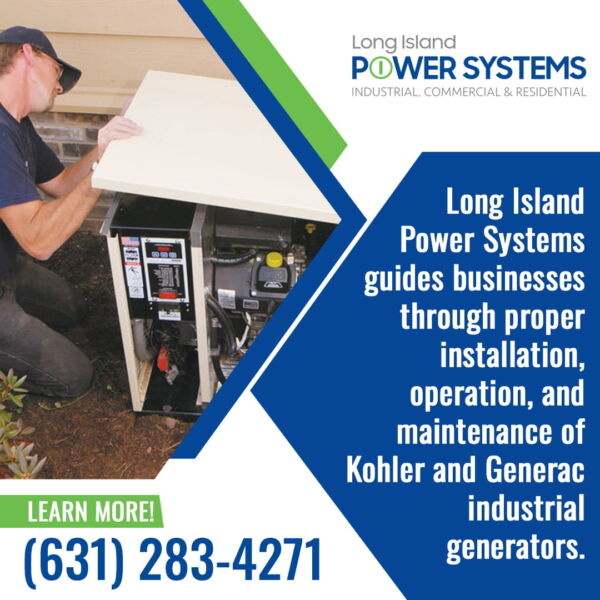
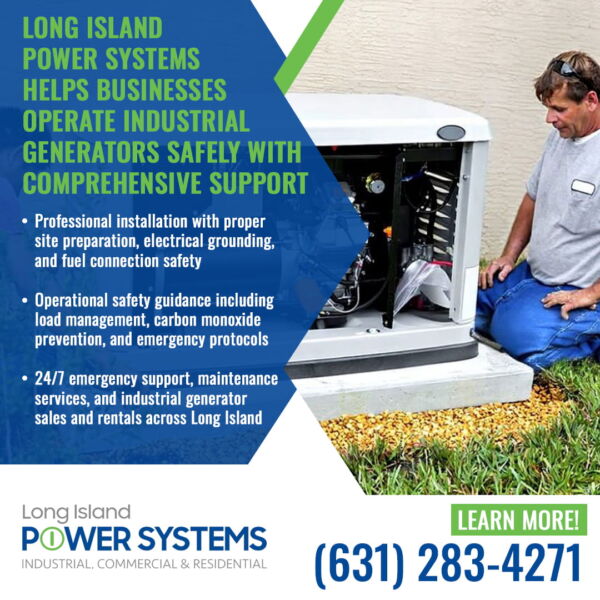
Installing industrial generators safely requires expertise and careful planning. Our technicians handle installations for commercial, industrial, and residential sites, carefully selecting locations with proper ventilation, clearance, and accessibility. This attention to detail minimizes hazards such as carbon monoxide exposure, electrical faults, and fuel-related risks.
Once a generator is installed, we perform comprehensive testing to confirm proper operation, checking voltage output, load capacity, and emergency safety features. This process reduces the likelihood of early equipment failures and keeps your system ready for use when power interruptions occur.
Maintenance and Repairs
Regular maintenance and prompt repairs keep generators running efficiently and safely. We provide maintenance for all types, including Kohler and Generac industrial generators, as well as emergency repairs when needed. During scheduled service visits, our team inspects fuel systems, electrical connections, cooling systems, and mechanical components.
Detecting small issues early helps prevent unexpected breakdowns and protects sensitive equipment connected to the generator. By performing these tasks consistently, we extend the life of your generators and help your facility remain operational even during extended outages.
Emergency Support and Rentals
We provide 24/7 support to address unexpected outages quickly and effectively. Our emergency response team is ready to dispatch technicians whenever power interruptions occur, helping restore electricity as soon as possible.
For businesses or facilities requiring temporary solutions, we offer generator rentals ranging from small backup units to large-scale industrial systems. This makes sure that your operations can continue uninterrupted while installations, repairs, or maintenance are underway. Renting through a trusted provider also allows access to professional setup and ongoing technical support.
At Long Island Power Systems, our approach combines experience, technical knowledge, and attention to safety. From professional installation and testing to regular maintenance and emergency response, we handle every step of generator management. By working with our team, you can rely on industrial generators to provide steady, safe power for your facility, protecting both your people and your equipment.
Get Reliable Generator Solutions Today
Keep your facility powered safely and efficiently with Long Island Power Systems. Whether you need industrial generators, professional installation, maintenance, or emergency support, our team is ready to assist.
Contact us today at (631) 283-4271 to discuss your power needs and request a free quote. Let Long Island Power Systems help you protect your staff, equipment, and operations with dependable generator solutions.