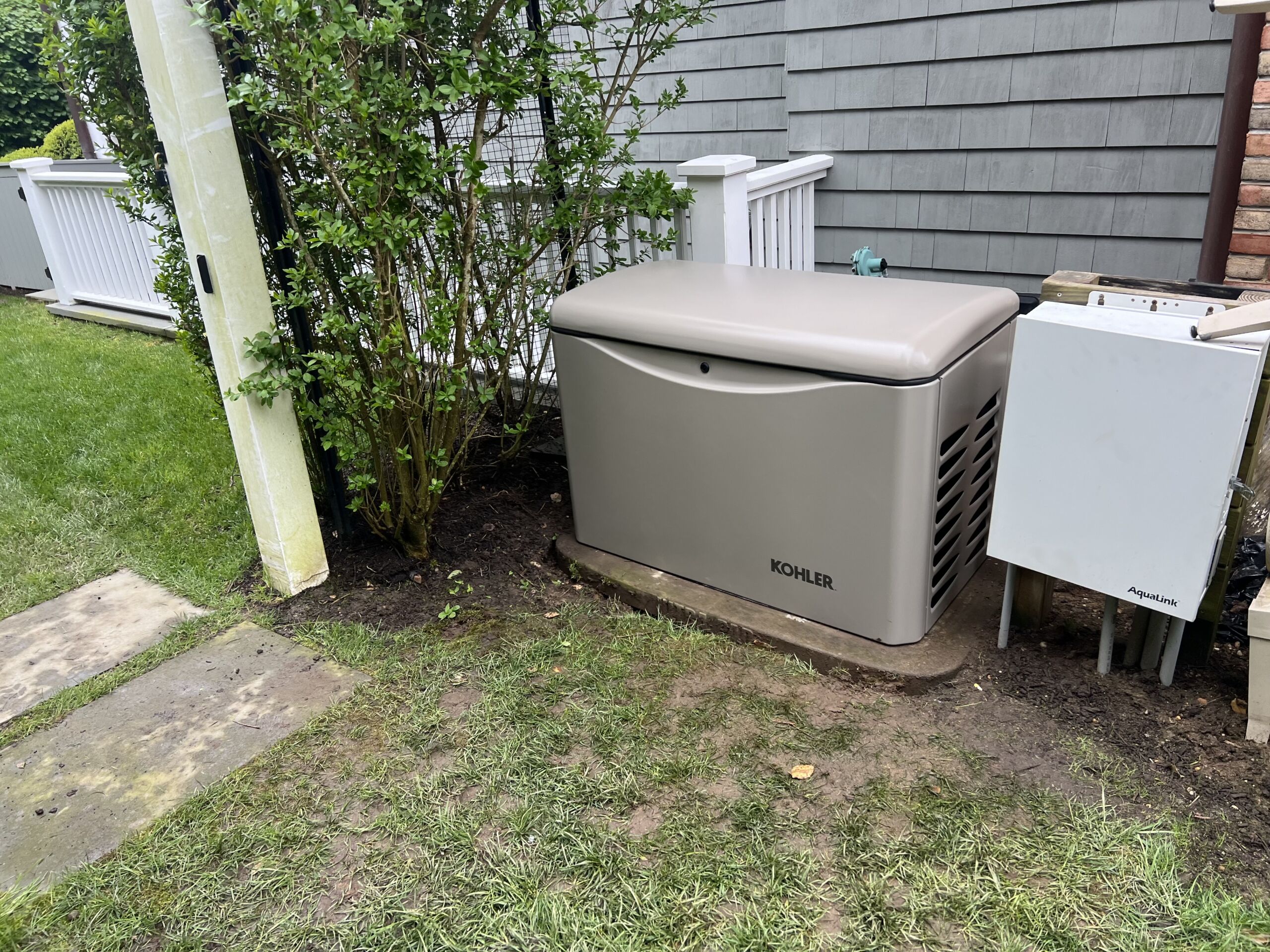
Homes with health, safety, or accessibility needs often require reliable access to electricity during power outages. Long Island Power Systems provides professionally installed standby power solutions designed to help support these needs. Depending on system size and configuration, emergency backup generators can automatically activate during an outage and supply power to essential home circuits. As with any mechanical system, backup generators require regular professional maintenance and periodic testing to operate as intended. While they are designed to provide dependable backup power, no generator system can guarantee uninterrupted operation or 100% uptime under all conditions, particularly during severe weather events or widespread disasters.
A properly configured backup power generator can support medical equipment, home safety systems, and mobility-related devices when utility service is interrupted. In many cases, a residential emergency backup generator or home generator is selected to help maintain electrical continuity for critical household needs such as respiratory equipment, refrigeration for medication, lighting, and accessibility systems.
Residential Backup Power Needs
Homes with health, safety, or accessibility dependencies require planned electrical support during utility interruptions. This section outlines how standby systems function in these environments and how different household conditions influence the need for continuous electrical supply. FEMA Power Outage Safety Guidance highlights the importance of planning for power loss in homes with critical electrical needs.
Purpose In Critical Homes
Emergency backup generators are standby systems that activate during utility outages and supply electricity to selected home circuits based on system capacity. A backup power generator connects to the electrical panel and starts automatically during service loss. System design determines circuit coverage based on electrical demand and installation scope.
Dependent Household Types
Residential backup generators are installed in homes requiring a continuous electrical supply for medical devices, mobility systems, or extended outage readiness. These include respiratory equipment, dialysis systems, and health monitoring devices. They also support mobility lifts and charging systems for assistive equipment, helping maintain essential household functions during utility interruptions.
Power Continuity During Outages
A backup generator supplies electricity to essential household circuits during utility outages based on configured load priorities. Load distribution depends on system capacity and setup.
- Climate control systems: Often prioritized to help maintain indoor temperature conditions
- Refrigeration systems: Support food storage and temperature-sensitive items
- Lighting systems: Provide visibility for movement and daily activities
- Communication systems: Support contact and access to emergency information
System configuration determines how these circuits operate together within the available generator capacity during an outage.
Health-Related Power Needs
Homes with medical dependencies require a stable electrical supply during utility interruptions. This section explains how standby systems support medical equipment, monitoring tools, and temperature-controlled storage in residential environments where ongoing electrical access supports health-related needs.
Medical Equipment Support
Residential backup generators are used in homes where medical equipment depends on a continuous electrical supply during utility outages. Backup generators activate automatically during utility interruptions and supply electricity to designated home circuits based on system capacity. Medical devices connected to supported circuits continue operating during outages without manual switching or manual intervention.
For households that rely on life-sustaining equipment, a standby generator should be one part of a broader safety plan. No generator is immune to mechanical failure or startup delay, so residents dependent on critical devices should also maintain a secondary battery backup and have a plan for immediate relocation if the generator cannot be brought online.
- Respiratory devices: Supports oxygen equipment by maintaining the electrical supply required for steady operation during utility loss.
- Dialysis systems: Supports home dialysis equipment by maintaining electrical continuity during treatment cycles scheduled within outage periods.
- Medication refrigeration: Support refrigeration systems used for medication storage by maintaining the electrical supply needed to preserve temperature-sensitive prescriptions during outages.
Monitoring Devices
A backup generator supports medical monitoring equipment, alert systems, and communication devices during utility outages. These systems depend on a continuous electrical supply to record health data, send alerts, and maintain communication access. Consistent operation helps maintain tracking and contact functions during periods when utility service is not available.
Safety and Accessibility Support
Homes with safety and accessibility requirements depend on standby power systems to maintain essential functions during utility interruptions. Backup systems support temperature control, lighting, water movement, and mobility-related equipment in residential environments.
Heating and Cooling Systems
Emergency backup generators support heating and cooling systems during utility outages by supplying electricity to HVAC equipment connected to the standby system. This allows temperature control systems such as furnaces, heat pumps, and air conditioning units to continue operating during periods without grid power, helping maintain usable indoor conditions.
Lighting and Security Systems
Backup generators support lighting circuits and home security systems during utility interruptions. This includes interior and exterior lighting used for visibility and movement, as well as alarm systems, motion sensors, and surveillance equipment that rely on a continuous electrical supply to remain active.
Pumps and Water Systems
A backup power generator supports sump pumps and water-related systems during outages by supplying the electricity needed to move and manage water within the property. This includes basement sump pumps, drainage systems, and pressure-based water equipment that may stop functioning when utility power is unavailable.
Mobility and Lifts
A home generator supports mobility and accessibility systems during utility outages by supplying power to equipment such as wheelchair lifts, stair lifts, and charging stations for mobility devices. This helps maintain access between levels of the home and supports the operation of electrically powered mobility equipment.
Generator Operation
Standby generator systems follow a defined operating process during utility interruptions. Activation, power transfer, and system configuration work together in residential environments that rely on backup electricity for essential loads.
Outage Activation
Backup generators start automatically when utility power is lost. The system continuously monitors the incoming electrical supply and initiates operation during grid failure. Once active, it delivers electricity to connected home circuits based on system configuration and available load capacity, supporting selected household systems during periods without utility service.
ATS Function
A backup generator uses an automatic transfer switch (ATS) to manage the change between utility power and generator power. The ATS acts as the control point that shifts electrical supply to the generator during outages and returns it to utility service when normal power is restored. The steps involved include:
- Outage detection: The system monitors utility voltage and identifies when power drops below operational levels.
- Power transfer: Electrical load is shifted from the utility supply to the generator output once the system starts running and stabilizes.
- Utility restoration: When utility service returns, the ATS transitions the electrical load back to grid power and shuts down the generator after stabilization.
System Configurations
A backup generator can be configured to support either full-home coverage or selected essential circuits, depending on electrical demand and system size. Full-home configurations supply power across most or all household systems, while partial-load setups focus on designated circuits such as heating, refrigeration, and lighting.
It is worth noting that full-home coverage is still bounded by the generator’s peak kilowatt rating. If the combined draw of simultaneously running systems exceeds that limit, the generator cannot support all of them at once. This is why accurate load evaluation during the planning stage is essential, system capacity needs to match the realistic demand of the circuits it will support.
Installation and Design
Residential standby systems require structured planning to match electrical demand with system capacity. Load requirements, system sizing, electrical integration, and installation steps come together in residential applications.
Load Evaluation
Residential emergency backup generators require an electrical load analysis before installation to identify which home circuits will be supported during an outage. This process reviews essential household systems such as heating, cooling, refrigeration, lighting, and any specialized equipment to determine total power demand and circuit priority.
System Sizing
A backup power generator is sized based on the total electrical demand of the household and the specific circuits selected for standby operation. System capacity is matched to expected load requirements to support simultaneous operation of designated appliances and systems without exceeding generator output limits.
Electrical Integration
A home generator is connected to the residential electrical panel through a transfer switch system that manages the distribution of power during outages. This integration allows the generator to supply electricity directly to selected circuits while isolating the home from the utility grid during operation.
Installation Process
Backup generators are installed through a structured process that includes site preparation, equipment placement, electrical wiring, and system commissioning. Each stage ensures the generator is properly connected, tested under load conditions, and configured for automatic operation during utility interruptions.
- Site preparation: Selection of a suitable outdoor location based on clearance, safety, and access requirements
- Equipment placement: Positioning and securing the generator on a stable base
- Electrical wiring: Connection to the home electrical panel and transfer switch system
- System commissioning: Testing under load conditions and verifying automatic startup during utility loss
Role of Long Island Power Systems in Residential Backup Power
Long Island Power Systems provides residential standby power solutions across Southampton, New York, supporting homes that depend on reliable electricity during outages. Our work focuses on properly sized systems for households with health, safety, or accessibility requirements that require a steady electrical supply for essential operations.
Installation Services
Residential emergency backup generators are installed through a structured process that includes site evaluation, electrical load review, system placement, and full integration with the home’s electrical panel. Each installation is planned based on household demand so we can support selected circuits or full-home coverage depending on system capacity.
Critical Home Support
A backup generator installed and serviced by Long Island Power Systems supports households where electrical continuity is linked to medical equipment, mobility systems, or accessibility-related needs. We configure these systems to maintain power for essential circuits during outages so critical home functions can continue operating within the system’s capacity.
Maintenance and Service
A home generator requires ongoing maintenance to remain ready for operation during utility interruptions. We provide service plans, system inspections, repairs, and emergency response support. Our goal is to help keep systems in working condition and respond when service needs arise.
Kohler and Generac Dealer Support
Backup generators installed and serviced by Long Island Power Systems include Kohler and Generac systems. As an authorized dealer, we support installation, maintenance, and service for these generator systems in accordance with manufacturer requirements and residential standby power needs.
Get Reliable Residential Backup Power Support
Homes with health, safety, or accessibility needs require standby power systems that are properly planned, installed, and maintained. Long Island Power Systems provides consultation, installation, and service for residential backup generators across Southampton, New York. For system inquiries, installation requests, or service support, reach out to our team at (631) 283-4271.