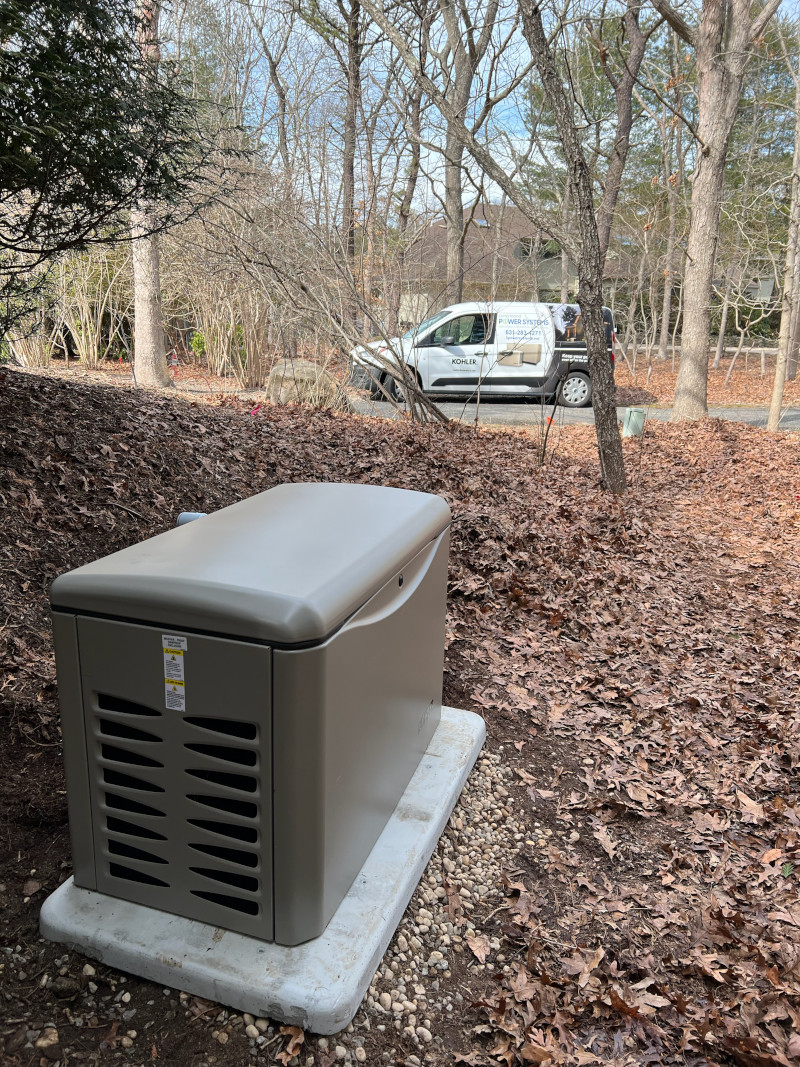
Waiting to call for generator repair lets a small, inexpensive fix turn into a major replacement, often during the exact outage when you need your backup power generator most. Long Island Power Systems sees this pattern often. A fault ignored for weeks becomes a full system failure that a homeowner could have avoided.
What Happens When You Delay Generator Repair?
A small problem left alone rarely stays small. Whatever the specific fault, the mechanism is usually the same. One worn or loose part puts extra strain on whatever it’s connected to. Emergency backup generators are no exception, and at Long Island Power Systems, we see the same pattern across most home generator repairs. In many cases, delaying repairs allows additional wear or damage to develop, increasing repair complexity and cost.
The Weeks Between the Warning and the Failure
The specific signs of a failing unit are worth knowing on their own. What matters here is the gap in between. A homeowner notices something is a little off, assumes it’s probably nothing, and lets weeks or months pass before calling. That gap is exactly where a five-minute fix turns into a multi-part repair, since the underlying stress on the system doesn’t pause just because nobody’s addressing it.
Early Repair vs. Delayed Repair
| Stage Caught | Early Repair | After It Escalates |
| Weak battery | Battery replacement only | Starter motor strain, possible replacement |
| Minor fuel contamination | Filter change | Injector or carburetor cleaning |
| Loose electrical connection | Tightened during a routine call | Burned wiring or a damaged control board |
| Ignored fault code | Diagnosed and resolved same day | Compounding failures once the unit is finally checked |
What Happens If a Second Issue Develops Before the First Is Fixed?
A backup power generator rarely waits for one repair to catch up before something else needs attention. If a technician visit gets pushed back long enough, it’s common for an unrelated second issue to surface in the meantime. The same trip that would have addressed one component ends up needing parts and labor for two. The total cost of a single delayed visit can climb well past what either problem would have cost on its own.
Why Does Timing Matter More During Storm Season?
Technicians get busier the moment a storm knocks out power across the region, and a repair that takes a day in calm weather can take longer once call volume spikes. This is especially true for residential emergency backup generators, since parts and scheduling both get tighter the closer a storm gets. Long Island sees its heaviest storm demand during hurricane season and again during winter nor’easters, both windows where technician demand and call volume climb fastest.
Frequently Asked Questions
Is it cheaper to wait for my scheduled maintenance visit instead of calling now?
Not usually. A maintenance visit checks scheduled items, but a fault that’s already active needs attention before then; waiting risks the problem spreading before your next visit arrives.
How do I know if a strange noise is minor or something urgent?
If the noise is new, gets louder over repeated test cycles, or comes with a fault light, treat it as urgent. A single loud noise rarely means failure on its own, but a repeated pattern is worth a call.
Can putting off a repair shorten my generator’s overall lifespan?
Yes. A component under repeated strain wears down faster than one that’s fixed promptly, which can shorten the generator’s overall service life well beyond the cost of the original repair.
Can a small electrical fault affect other parts of the generator over time?
Yes. A loose connection can create heat that damages nearby wiring or the control board, turning a five-minute fix into a much larger repair if it’s not addressed early.
Call Before It Becomes a Bigger Repair
Long Island Power Systems technicians can usually catch a small issue with your home generator before it spreads, but only if we hear about it early. Contact our team at (631) 283-4271 to get a fault checked out while it’s still a small one.