Long Island Power Systems provides reliable power solutions to keep your business or facility running without interruptions. Whether you are considering a Kohler industrial generator, a Generac industrial generator, or looking for an industrial generator for sale, our team helps you choose the best option for your needs. If you are unsure whether to purchase or lease, read our breakdown of the pros and cons of buying vs. renting industrial generator equipment. Continuous power is essential for protecting equipment, maintaining operations, and supporting safety across commercial, industrial, and emergency applications.
When deciding between mobile and stationary generators, it’s important to match the solution to your specific requirements. Mobile units offer quick deployment and flexibility for temporary projects. Stationary systems provide long-term, high-capacity power for critical facilities such as hospitals, data centers, and manufacturing operations.
Mobile Industrial Generators
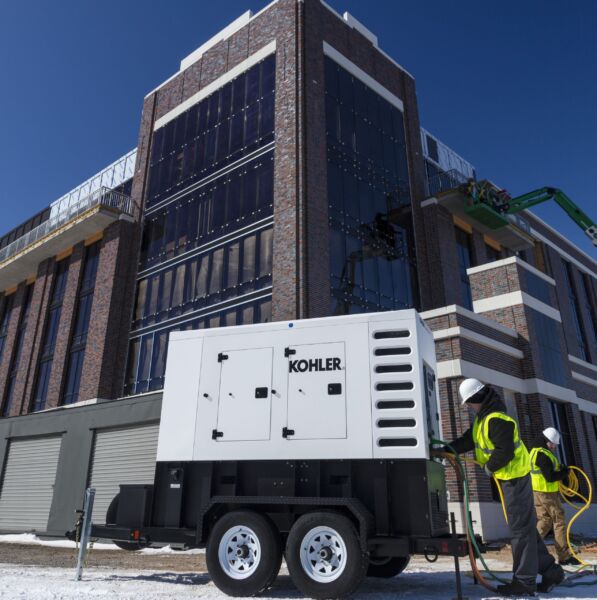
Mobile generators are portable units designed for temporary or flexible power needs. They are an effective solution whenever you need electricity in locations without permanent infrastructure. Typically mounted on trailers or skids, these units can be moved quickly to different sites, giving you the flexibility to manage power wherever it is required. Mobile industrial generators from trusted brands such as Kohler and Generac industrial generators are available for projects of varying sizes.
Features of Mobile Generators
Portability and Mobility: You can relocate mobile generators to multiple sites with minimal effort. This allows you to respond quickly to changing project demands or emergencies without relying on permanent installations.
Fuel Options and Efficiency: Mobile generators commonly run on diesel, natural gas, or propane. Each fuel type provides reliable performance, and you can select the option that best fits your operational and budget requirements.
Power Range and Flexibility: Mobile units generally provide between 35 kW and 175 kW. This range is well-suited for temporary projects, offering enough power to operate essential equipment and maintain operations in diverse settings.
Typical Applications
Construction Sites: Mobile generators supply electricity to tools, machinery, and lighting at sites where access to the main power grid is limited. You can keep your project moving without interruptions caused by unavailable or unreliable utility power.
Emergency Backup: In the event of a power outage, mobile industrial generators provide electricity to commercial or residential facilities. This allows you to maintain critical systems, minimize downtime, and support operational continuity.
Events and Temporary Projects: Mobile units are ideal for outdoor events, festivals, and temporary installations. You can provide reliable power for lighting, audio systems, and other equipment without depending on permanent infrastructure.
Advantages and Limitations
Quick Deployment: Mobile generators can be set up within hours, giving you rapid access to electricity whenever it is needed. This makes them suitable for urgent power requirements at different locations.
Space Requirements: These units need safe storage when not in use. Planning for adequate space helps prevent damage and allows the generator to remain ready for future deployment.
Maintenance Considerations: Portable generators require regular inspection because movement and frequent use can affect components. Keeping a maintenance schedule helps maintain performance and extends the lifespan of the equipment.
Stationary Industrial Generators
Stationary generators are permanently installed to provide continuous or standby power. They are ideal when your facility requires long-term, reliable electricity. These generators are designed for high-capacity use and can integrate directly with building electrical systems, making them a dependable solution for facilities that cannot tolerate interruptions.
Leading options include Kohler industrial generators and Generac industrial generators, which are available for purchase or as an industrial generator for sale to meet various power requirements.
Features of Stationary Generators
Fixed Installation and Capacity: Stationary generators can support large facilities, with power outputs ranging from 500 kW to multiple megawatts. This makes them suitable for hospitals, manufacturing plants, data centers, and other critical operations.
Integration with Electrical Systems: These generators can connect to automatic transfer switches (ATS), allowing electricity to transfer automatically during outages. This connection provides smooth operation and prevents disruptions to essential equipment.
Fuel Types and Operation: Stationary units often use diesel, natural gas, or dual-fuel options. They are built for extended use, providing consistent performance over long periods without frequent refueling.
Typical Applications
Hospitals and Healthcare Facilities: Stationary generators maintain uninterrupted power for life-support systems, diagnostic equipment, and other critical medical devices.
Data Centers and Telecommunications: These generators provide continuous electricity to servers, networking equipment, and communication systems, protecting against data loss and downtime.
Manufacturing Plants: They keep production lines running during utility outages, minimizing delays and preventing potential losses.
Advantages and Limitations
High-Capacity, Continuous Power: Stationary generators are designed to handle large, ongoing energy demands for extended periods, supporting multiple systems simultaneously.
Installation Cost: Installing a stationary generator requires careful planning, foundation work, and a higher initial investment compared to mobile units.
Site Requirements: These generators need adequate space, ventilation, and access for fuel delivery and maintenance, which should be considered during installation planning.
Cost Comparison: Mobile vs. Stationary Generators
Cost varies based on installation, fuel, and maintenance. The choice between mobile and stationary generators affects both your upfront investment and long-term operational expenses. Understanding these differences can help you plan for your facility’s power needs.
Mobile Generators: These units typically require a lower initial investment and minimal setup. They are suitable for temporary projects or emergencies where you need power quickly. Mobile generators are available for purchase or as industrial generators for sale, offering reliable electricity for short-term applications.
Stationary Generators: Stationary units generally involve a higher initial installation effort and planning. They are designed for long-term use, providing consistent and efficient power over extended periods. These generators are ideal for facilities that cannot afford interruptions, such as hospitals, data centers, and manufacturing plants.
Maintenance: Mobile generators require frequent inspections due to their portability and changing deployment conditions. Stationary generators benefit from scheduled maintenance programs, helping keep the equipment running smoothly and supporting reliable, continuous power.
Matching Generator Choice to Business Needs
Selecting the right generator depends on power demand, usage frequency, and site constraints. Choosing between mobile and stationary units requires considering how your facility operates, the type of projects you handle, and the level of reliability your operations require.
Power Requirements: Begin by assessing how much electricity your equipment and systems need. Mobile industrial generators can provide sufficient power for smaller, temporary needs, while stationary generators are better suited for larger facilities or operations that demand continuous electricity.
Duration and Frequency of Use: If your power needs are short-term or occasional, mobile generators offer flexibility and quick deployment. For long-term or continuous operations, a stationary generator provides consistent energy without frequent adjustments or relocation.
Site Location: Consider where the generator will be used. Mobile units are ideal for sites that require temporary or remote power, while stationary generators need adequate space for installation and proper ventilation for safe operation.
Budget: Take into account installation, fuel, and maintenance costs. Mobile generators typically involve lower initial investment, while stationary units, although more involved to install, provide reliable performance over extended periods.
Emergency Preparedness: Mobile generators give you the ability to respond to unexpected power needs quickly. In contrast, stationary generators deliver dependable, long-term support for critical facilities where uninterrupted power is essential.
Industrial Generator Options from Kohler and Generac
Kohler and Generac industrial generators are reliable solutions for mobile and stationary needs. Both brands offer equipment designed to provide consistent power, whether you require temporary electricity for a project or long-term support for critical operations. Choosing the right generator from these trusted manufacturers helps you manage your facility’s energy needs effectively.
Kohler Industrial Generators
Models: Kohler offers a range of diesel and mobile industrial generators suitable for various capacities. These units can meet the power needs of small projects or large facilities, providing reliable performance across different settings.
Decision-Maker® Controllers: Kohler’s generators come equipped with advanced controllers that handle power transitions and monitoring automatically. This technology helps maintain smooth operations, particularly in facilities where continuous electricity is critical.
Applications: You can deploy Kohler industrial generators in hospitals, data centers, construction sites, and industrial facilities. Their flexibility allows them to support both temporary projects and permanent installations.
Generac Industrial Generators
Standby and Prime Power: Generac offers generators designed for both standby and prime power applications. These units are suitable for commercial buildings, manufacturing facilities, and industrial sites, providing dependable electricity whenever it is needed.
Fuel Options: Generac generators are available in diesel and gas configurations, allowing you to select the fuel type that best fits your operational requirements and site setup.
Applications: Generac industrial generators are commonly used in retail environments, manufacturing plants, telecommunications facilities, and government operations. Their reliability makes them a practical solution for facilities that require consistent power.
How Long Island Power Systems Supports Your Generator Needs
Long Island Power Systems provides consultation, installation, service, and rental solutions for your power needs. Whether you are looking for a mobile unit for temporary projects or a stationary generator for long-term, continuous use, we guide you through every step of the process. Our offerings include a wide selection of industrial generators for sale, tailored to meet the unique demands of your business or facility.
Consultation and Free Quote
Experts analyze power needs and provide detailed estimates. Our team begins by reviewing your facility’s energy requirements, operational priorities, and potential power challenges.
We discuss both mobile and stationary options to determine which generator best fits your usage patterns, site conditions, and operational goals. By providing a clear, detailed estimate, we help you understand what to expect in terms of setup and ongoing support.
Professional Installation
We provide on-site installation that includes ATS integration and full compliance with safety standards. Our technicians handle every step of the installation process. From positioning your generator to connecting it with automatic transfer switches, we make sure that the system operates safely and integrates seamlessly with your existing electrical infrastructure. With professional installation, your generator is ready to provide reliable power from the moment it is activated, whether for routine use or emergency backup.
Service and Maintenance
We provide preventative maintenance, load bank testing, and emergency repairs to keep your generator performing reliably. Maintaining consistent generator performance is essential for business continuity. Our team conducts regular inspections, testing, and servicing to keep your equipment running smoothly.
If issues arise, we respond quickly to restore operation and minimize downtime. By keeping your generator in peak condition, we help you avoid unexpected interruptions and extend the life of your investment.
Rental Options
Long Island Power Systems, based in Southampton, NY, offer temporary mobile generators for short-term projects or events. If you need electricity for a limited period, we offer rental solutions that provide reliable, portable power without the need for permanent installation. These units are ideal for construction sites, outdoor events, or temporary emergencies, giving you the flexibility to maintain operations wherever power is needed.
Partnering with Long Island Power Systems allows you to rely on experienced professionals who understand the demands of commercial and industrial power. From helping you choose between mobile and stationary generators to providing ongoing service and temporary solutions, we make sure that your facility stays powered efficiently and effectively.
Keep Your Facility Powered Without Interruptions!
Long Island Power Systems is ready to help you choose the right generator solution for your business. Whether you need a mobile unit for short-term projects or a stationary generator for ongoing operations, our team provides professional guidance and support.
Contact us today at (631) 283-4271 to schedule a consultation, request a free quote, or explore your generator options.