Long Island Power Systems, located in Southampton, New York, offers professional generator services tailored for residential, commercial, and industrial needs. If you’re planning a home generator installation or a standby generator setup, knowing what happens during the installation process is important. This knowledge helps you prepare and guarantees a smooth experience from start to finish.
This generator installation guide breaks down each step, from site evaluation and equipment selection to installation and testing. Our experienced team works closely with you to deliver dependable power solutions suited to your property’s requirements. Whether it’s an emergency backup for your home or a large-scale commercial system, this article will help you know exactly what to expect throughout the installation journey with Long Island Power Systems.
What Knowing the Generator Installation Process Means for You
A clear generator installation guide helps you prepare and avoid surprises during the process. Knowing what happens before, during, and after the standby generator setup keeps the process smooth. This knowledge helps you communicate with the installation team and stay on schedule.
Before home generator installation, professionals assess your property to choose the best location and necessary adjustments. This step allows you to plan and ask questions early. During installation, the team handles wiring, positions the generator, and connects it to your electrical system. Being aware of these steps keeps you informed and involved throughout the process.
After installation, technicians test the generator to confirm it works correctly. They also provide instructions on basic use and maintenance. Knowing each stage helps you coordinate with experts offering professional generator services and trust your power system.
Key Factors Influencing Generator Installation
Evaluating Your Power Needs Beyond Basics
Calculating your essential power needs is the initial step in selecting the right generator size. Generators come with different capacities, so listing the appliances or systems you want powered during an outage helps guide your choice. For example, a home generator installation often focuses on heating systems, refrigeration, and lighting to keep daily life running smoothly.
Businesses, however, might require power for critical equipment such as servers, safety devices, or manufacturing machinery. This careful evaluation prevents overspending on oversized units or facing shortages with undersized generators.
Choosing the Right Generator Type for Your Environment
The type of generator you select depends on how and where it will be used. Standby generators are designed to connect directly to your electrical system and switch on automatically when the power goes out. They provide reliable, hands-off backup power ideal for residential, commercial, or industrial settings.
In contrast, portable generators need manual setup and fueling but offer flexibility by being movable to different locations. Some situations may call for hybrid models, which combine features of both standby and portable generators to meet unique demands. Factors such as noise restrictions, available installation space, and site conditions play a role in deciding the best option for your property.
Why Professional Generator Services Matter
Professional generator services help match your power needs with the right equipment and installation process. Working with professionals makes sure that your standby generator setup or home generator installation meets local codes and runs safely. Experienced technicians can also guide you through maintenance plans that keep your system ready whenever power is needed.
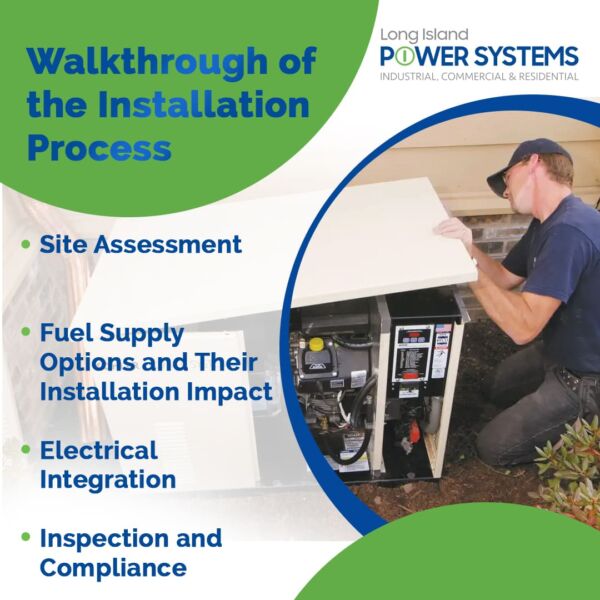
Stepwise Walkthrough of the Installation Process with Practical Tips
Knowing the key steps in generator installation helps you follow progress and communicate with your installation team. This section outlines what happens during site assessment, fuel setup, electrical integration, and inspections.
Site Assessment: What Technicians Look For
Technicians evaluate the safety and suitability of your property for installation. They check for underground utilities such as water or gas lines to avoid damage during setup. Proper drainage is reviewed to prevent water pooling near the generator, which could affect performance.
Placement is critical for safety and operation. For example, the generator should be positioned away from windows, doors, and vents to keep exhaust fumes from entering your home. Noise restrictions and local zoning laws are also considered to comply with community rules.
Fuel Supply Options and Their Installation Impact
Fuel type affects how your standby generator setup is installed and maintained. Natural gas generators connect directly to existing gas lines. This setup allows for a continuous fuel supply without needing storage tanks on your property.
Propane models require an on-site tank that must meet space and safety requirements. The tank size depends on your power needs and available space. Diesel generators usually have larger fuel tanks and require additional ventilation systems to handle exhaust safely.
Electrical Integration: Ensuring Seamless Power Transfer
An automatic transfer switch (ATS) is installed to manage power flow between the utility and the generator. The ATS detects when utility power is lost and automatically starts the generator to maintain electricity.
The transfer switch also has manual controls. These allow technicians or homeowners to turn off the generator safely for maintenance or testing without disrupting the home’s electrical system.
Inspection and Compliance: What You Should Know
After installation, local authorities conduct inspections to verify safety and code compliance. Inspectors review wiring, fuel connections, and generator placement against electrical and building regulations.
Your professional installation team handles necessary permits and corrections. The generator will only become operational once it passes these inspections, ensuring a safe and legal setup.
Preparing Your Property and Family for Installation Day
Preparing your home and family ahead of the generator installation day helps minimize disruptions and creates a safer environment. Knowing what to expect and how to prepare will make the process smoother for everyone involved.
Minimizing Disruptions During Installation
Scheduling the installation during less busy times helps reduce interruptions to your daily routine. Weekdays or mid-morning hours typically work best to avoid peak household activities. This also allows the installation team to work efficiently without rushed conditions.
Informing your neighbors about the work can prevent misunderstandings. Let them know about possible equipment noise or parked vehicles near your home. This simple step maintains positive relationships within the community during the installation.
Preparing your property supports safety and efficiency. Move outdoor furniture, vehicles, and any items from the work area to provide clear access for technicians. Secure pets indoors or in a safe space away from the installation zone to prevent distractions or accidents.
Safety Measures to Follow During and After Installation
Stay clear of the installation area while work is in progress. Installation involves heavy equipment, electrical wiring, and fuel connections, all of which pose hazards. Follow any guidelines or boundaries set by your contractor to avoid injury.
After installation, familiarize yourself with the generator’s emergency shut-off procedures. The team will provide generator installation guides and manuals. Keeping this information accessible is important for quick action in case of emergencies.
Regular safety checks support ongoing protection. Periodically inspect the generator area for any signs of fuel leaks, damaged wiring, or unusual noises. Addressing these early can prevent accidents and extend the life of your standby generator setup.
Post-Installation Insights: Getting the Most from Your Generator
Once your generator installation is complete, knowing how to operate and maintain your system will keep it functioning reliably when you need it.
Understanding Your Generator’s Control Panel and Alerts
On many models, the control panel provides essential information about your generator’s status and alerts you to potential issues. These panels usually include indicators for power output, fuel levels, and maintenance reminders. For instance, a blinking light might indicate low oil or signal the need for a filter change. Becoming familiar with these alerts helps you respond quickly and avoid unnecessary service calls.
The control panel also allows you to manually start or stop the generator and view error codes. Learning these functions gives you confidence in managing your standby generator setup. The panel’s clear displays serve as an early warning system to maintain uninterrupted power.
Routine Maintenance Best Practices You Might Not Know
Routine maintenance preserves your generator’s performance and longevity. Scheduling professional inspections twice a year is advisable, especially in regions like Long Island, where seasonal changes affect generator operation. Spring and fall checks focus on oil changes, filter replacements, and battery health to keep the unit ready for unexpected outages.
Between professional visits, simple do-it-yourself checks can add an extra layer of care. These include verifying fluid levels, inspecting for leaks, and listening for unusual noises during test runs. Such maintenance habits reduce the risk of breakdowns and costly repairs.
Troubleshooting Minor Issues Before Calling for Help
Many minor problems can be resolved without immediate professional assistance. For example, if your generator fails to start, checking the fuel supply and circuit breakers often solves the issue. A quick reset of the control panel can clear temporary faults related to the transfer switch or startup sequence.
However, if issues persist after these basic steps, it is important to seek professional services. Prompt attention to technical problems prevents further damage and helps maintain reliable backup power for your home or business.
The Long Island Power Systems Advantage in Installation Services
Choosing the right company for your generator installation can make a notable difference in performance and reliability. At Long Island Power Systems, based in Southampton, NY, we bring tailored solutions and local expertise to every project, helping you manage your power needs smoothly.
Personalized Consultations Focused on Your Unique Needs
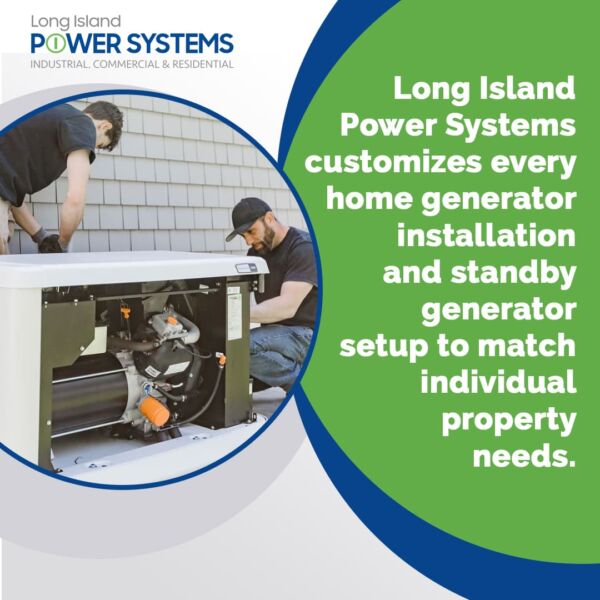
Our team at Long Island Power Systems works closely with you to design generator setups that fit your property and energy demands. Whether it’s a home generator installation or a commercial standby generator setup, we evaluate your specific requirements. For example, homeowners often seek quieter models with minimal visual impact, while businesses require generators capable of supporting critical equipment for extended periods.
We take the time to understand the unique power needs of each client. This approach allows us to recommend the right size and type of generator, matching fuel options and control features to your lifestyle or operations.
Experienced Team with Deep Local Knowledge
Our technicians have extensive experience working within Long Island’s regulations and climate. This local insight is vital, as installation must comply with municipal codes, noise restrictions, and safety standards specific to the area.
Familiarity with local environmental factors, such as weather impacts, allows us to select appropriate equipment and installation methods. This attention to detail contributes to reliable performance and long-term durability in the face of regional challenges.
Extensive Support from Installation to Emergency Response
Support doesn’t end when the installation is complete. Long Island Power Systems offers ongoing maintenance and rapid repair services to keep your generator operating at peak condition. Our team is available around the clock to respond quickly to emergencies, reducing downtime during outages.
Long Island Power Systems provides routine servicing to identify issues before they become problems. This full-spectrum care safeguards your investment and helps maintain uninterrupted power for your home or business.
Ready to Secure Your Power with Professional Generator Installation?
Trust Long Island Power Systems for professional generator services tailored to your needs. Whether you require a standby generator setup or home generator installation, our experienced team is here to help.
Contact us today at (631) 283-4271 to schedule a personalized consultation or request service. Let us provide reliable power solutions that keep your home or business running smoothly.