Reliable backup power is necessary for homeowners and businesses facing more frequent and longer power outages. Residents of Southampton, NY, and the surrounding areas need trusted solutions to maintain comfort, safety, and operations during these interruptions. Long Island Power Systems specializes in generator installation and service, helping clients understand their options between solar power and generators for backup power.
This article compares solar power vs generator systems as backup power solutions, highlighting their strengths and limitations. It also explores how each supports off-grid power needs and contributes to energy independence. While Long Island Power Systems does not provide solar products or services, it offers professional guidance for customers evaluating these backup options to make the right decisions about their power security.
The Growing Importance of Reliable Backup Power
Reliable backup power protects your home or business during outages caused by severe weather and aging electrical systems. More frequent and longer power interruptions affect daily life and business operations. Having a dependable power source helps maintain safety, comfort, and productivity.
Why Outages Are More Common and Last Longer
Power outages happen more often and extend longer due to severe weather and older electrical grids. Storms can damage power lines by knocking down trees, causing extended repair times. Utility companies restore critical services initially, leaving homes and businesses without power for longer periods. This impacts heating, refrigeration, security, and communication systems.
What Property Owners Need to Consider Today
Backup power plans should match your property’s specific needs and local outage risks. Think about how often outages occur, what equipment you need to keep running, and for how long power is necessary. Small businesses risk losing sales and inventory during outages. At home, maintaining heating or medical devices is important.
Backup options range from portable generators to automatic systems. Your choice depends on outage frequency, power requirements, and budget. Planning backup power is part of emergency preparedness tailored to your situation.
The Risks of Delaying a Backup Power Plan
Delaying backup power increases financial losses and safety risks during outages. Without backup power, food spoils, work stops, and hazardous conditions arise. For example, a restaurant can lose perishable goods and customers. Homes without power face risks like frozen pipes or failure of medical equipment. Utility repairs may take hours, so having backup power now avoids preventable stress and costs.
Solar Power for Backup: How It Works
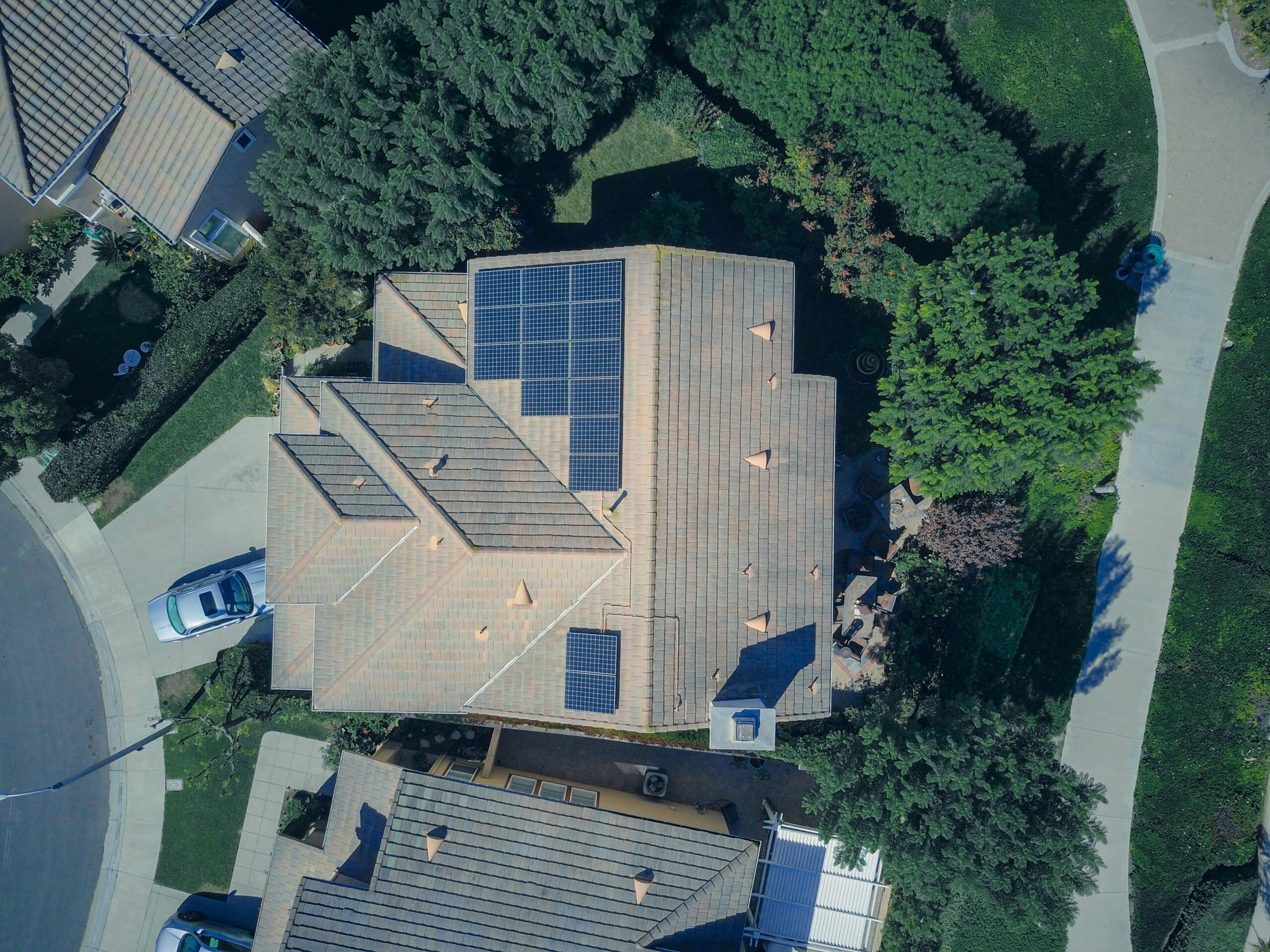
Solar panels create electricity by converting sunlight during the day. This clean energy lowers fossil fuel use and emissions but only works while the sun is shining.
Role of Solar Panels in Power Supply
Solar panels generate electricity only when exposed to sunlight. On sunny days, they can provide most or all of your home or business energy needs. For example, a bright afternoon can cover daily consumption. However, panels stop producing power at night or during cloudy weather, limiting their use as the sole power source.
Battery Storage: Critical but Often Overlooked
Batteries store excess solar energy for times without sunlight. Think of batteries as reservoirs holding power collected during the day for use at night or on overcast days. The size of your battery system affects how long backup power lasts. A larger battery bank can power key appliances through overnight outages, while smaller ones may only cover brief interruptions. However, opting for larger battery backups also increases overall system cost.
Conditions Where Solar May Fall Short
Nighttime, Cloud Cover, or Limited Storage
Solar energy isn’t available at night and decreases during cloudy weather. Without enough battery storage, power outages may still occur despite having solar panels. This often happens during long storms or seasons with reduced sunlight.
Grid-Tied System Limitations
Most solar systems connect to the electrical grid and shut down during outages. This safety measure protects utility workers fixing the lines but means your solar panels won’t supply power during blackouts unless you have additional backup equipment. The only solution to keep your solar setup running independently during a grid outage is to install an inverter and battery system.
Generator Backup Systems: A Reliable Alternative
Generators provide power instantly during outages. They use fuel like natural gas or diesel to keep electricity flowing. This makes generators a dependable backup power solution for homes and businesses facing frequent outages.
Fuel-Based Power That Works On-Demand
Generators start automatically when the power grid fails. They do not depend on sunlight or weather. For example, a natural gas generator activates within seconds after a storm causes an outage. This shows a clear difference between solar power and generator backup options.
Continuous Operation During Long Outages
Generators run as long as fuel is available. This supports long outages caused by storms or grid problems. For example, grocery stores can keep refrigerators running, preventing spoilage. This makes generators a reliable source of off-grid power.
Automatic Transfer Systems for Homes and Businesses
Automatic transfer switches detect power loss and switch the load to the generator without any user action. At home, heating, lights, and medical devices stay on during blackouts. This increases energy independence by reducing reliance on the electrical grid.
Generators provide a straightforward and reliable backup power solution. For homeowners and businesses in Southampton and nearby areas, generators maintain comfort and operations during power outages.
Comparing Total Costs Over Time
When choosing between solar power and a generator for backup power, knowing the total costs over time helps you decide what fits your needs and budget.
Installation, Equipment, and Labor
Generator installation costs depend on size and complexity. Smaller units are less expensive, while larger systems for businesses cost more. Solar power systems generally have higher upfront costs, especially when paired with battery storage for extended outages.
Ongoing Maintenance and Support
Generators require regular fuel checks and servicing to stay reliable. This includes engine maintenance and inspections. Solar panels need minimal upkeep, mainly cleaning. However, batteries that support solar backup power may need replacement every 10 to 15 years for lithium-ion types and every 5 to 7 years for lead-acid types—impacting long-term expenses.
Fuel and Utility Savings — With or Without Solar
Generators incur ongoing fuel costs that add up during use. Fuel prices and consumption affect total expenses. Solar power lowers electricity bills by generating energy during daylight hours. Yet, solar alone can’t cover nighttime or cloudy periods without enough battery storage.
Use Cases: Which Option Fits Your Property Type?
Choosing between solar power and a generator depends on your property type and backup power needs. Each property requires tailored backup power solutions that balance reliability and cost.
Full-Time Residence
Generators remain the most dependable solution for providing on-demand backup power in full-time residences. Unlike solar systems, which depend on daylight and require expensive battery storage to operate during outages, generators offer reliable electricity at any time, in any weather. While solar panels contribute to lower energy bills and support energy independence, their effectiveness in emergencies is limited without a large battery system. For households prioritizing uninterrupted power and long-term reliability, generators remain the practical and preferred option—especially when energy independence must be maintained during extended outages.
Seasonal or Vacation Home
Solar power can lower utility costs for seasonal or vacation homes but may not fully meet backup power needs on its own. Without adequate battery storage, solar systems often fall short during outages—especially when trying to run large appliances like refrigerators, air conditioners, or heaters. Supporting these loads requires a larger, more expensive battery setup, which may not be practical for occasional use. Portable generators offer flexible, cost-effective backup power and are better suited for powering essential appliances during outages, making them a more reliable option for these types of properties.
Small Business or Retail Space
Generators support continuous business operations by delivering reliable backup power that protects revenue, inventory, and productivity. Even short power outages can result in significant financial losses. While solar power helps reduce electricity costs, it typically cannot meet full energy demands on its own—especially during emergencies. Pairing solar with generator systems enhances energy independence and ensures consistent power supply during grid failures.
Agricultural or Industrial Operations
Generators deliver strong, continuous backup power solutions for agricultural and industrial operations. These facilities require high power loads for equipment and processes. Solar power can supplement overall energy use but seldom serves as the sole backup due to demand. Pairing solar with generators optimizes energy efficiency, but generators remain necessary for robust power.
Misconceptions That Can Lead to Poor Choices
Misunderstanding backup power options can cause costly mistakes when choosing between solar power and generators. Clearing up common misconceptions helps you select the best backup power solutions.
“I’ll Just Use Solar and Skip Backup”
Relying only on solar power can cause outages during nights or cloudy days. Even with battery storage, solar systems may not always supply enough power for extended outages. Generators, on the other hand, provide consistent, on-demand power regardless of weather or time of day.
“Generators Are Obsolete Now”
Generators remain necessary backup power solutions, especially during long or frequent outages. Unlike solar, generators run on fuel and provide reliable power regardless of weather or time. This supports continuous operation for homes and businesses seeking dependable power.
“Battery Storage Is Always Included”
Battery storage is not included in every solar system and increases costs. Many solar setups generate electricity but don’t have backup batteries, limiting off-grid power capabilities. Knowing this fact helps you make a better choice when comparing solar power vs generator options.
The Role of Long Island Power Systems
Long Island Power Systems provides reliable generator-based backup power solutions throughout Southampton, NY, and nearby areas. When utility power fails, we help you stay up and running.
Generator Installation, Service, and Emergency Support
Long Island Power Systems handles every step of generator installation—from system selection to permitting and setup. We work with leading brands and offer a range of models to fit different power needs. Once installed, we continue to support customers with regular maintenance and system checks to prevent failures.
In emergencies, Long Island Power Systems offers 24/7 service. If a storm or equipment issue disrupts your power, our technicians respond quickly to restore your generator and keep critical systems active.

Serving Homeowners, Businesses, and Industrial Sites
Long Island Power Systems works with all property types. For homeowners, we protect essentials like refrigeration, sump pumps, and heating systems. Local retail and service businesses use our generators to avoid lost sales and downtime. On industrial sites, we help maintain uptime for heavy equipment and systems.
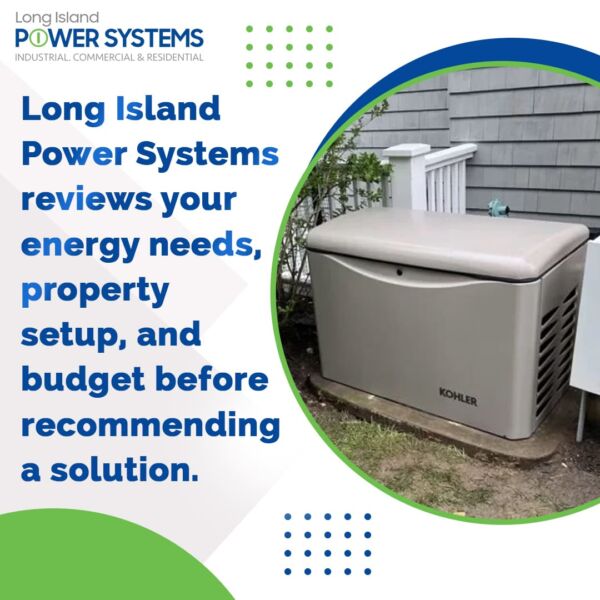
Each project begins with a site review. We size your generator based on actual usage—not estimates—so your system runs as needed without waste.
Helping You Compare Solar Power vs Generator Systems
Long Island Power Systems supports informed decisions between solar power and generator options. As mentioned earlier in the blog, while Long Island Power Systems does not install solar systems, we often help homeowners and businesses understand the differences between backup power options. For clients focused on self-reliant backup power, Long Island Power Systems delivers durable, proven generator solutions.
Be Ready Before the Power Goes Out!
Long Island Power Systems provides efficient generator solutions for residential, commercial, and industrial properties across Long Island. We specialize in generator installation, service, and 24/7 emergency support—so your property stays powered when the grid doesn’t.
Contact us today at (631) 283-4271 to schedule a consultation. Don’t wait for the next outage to act—secure your power with a trusted local provider.